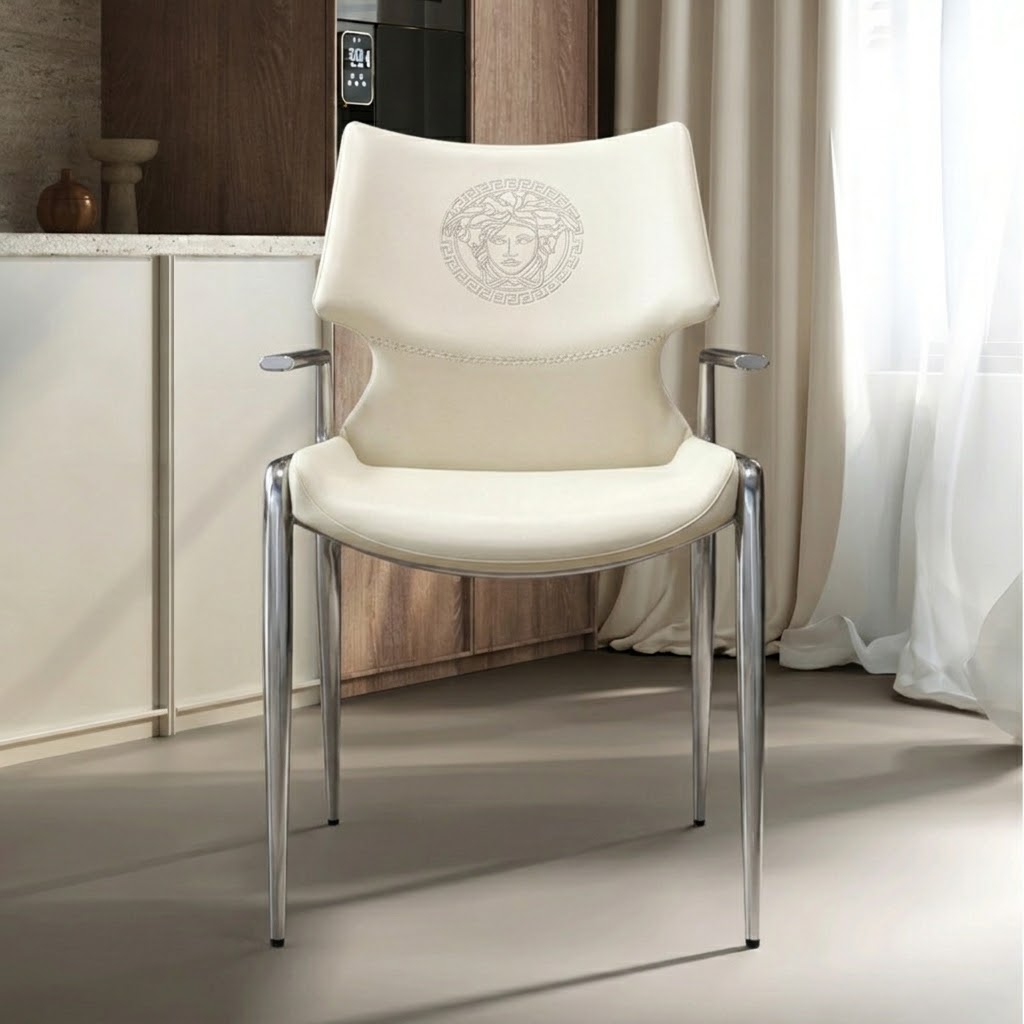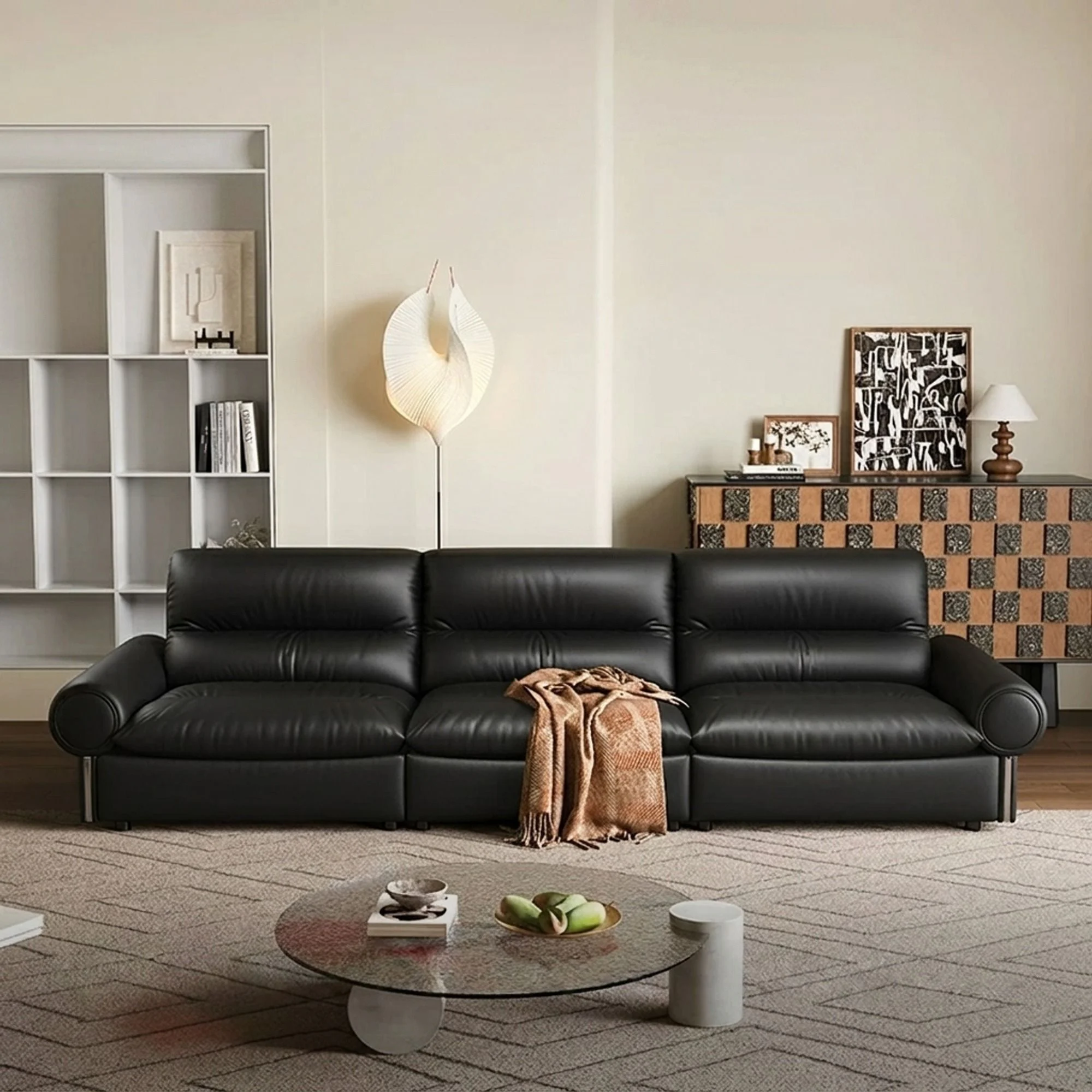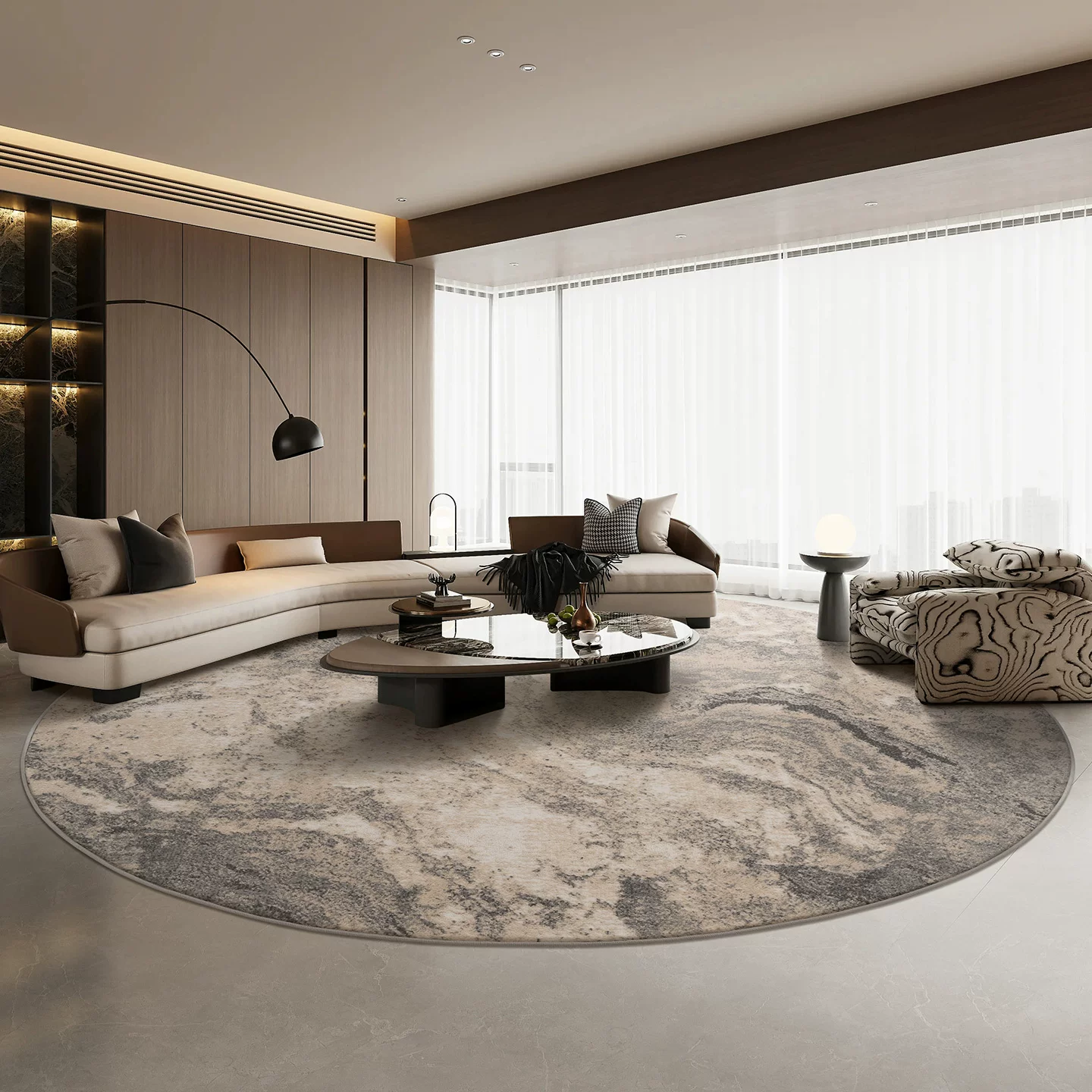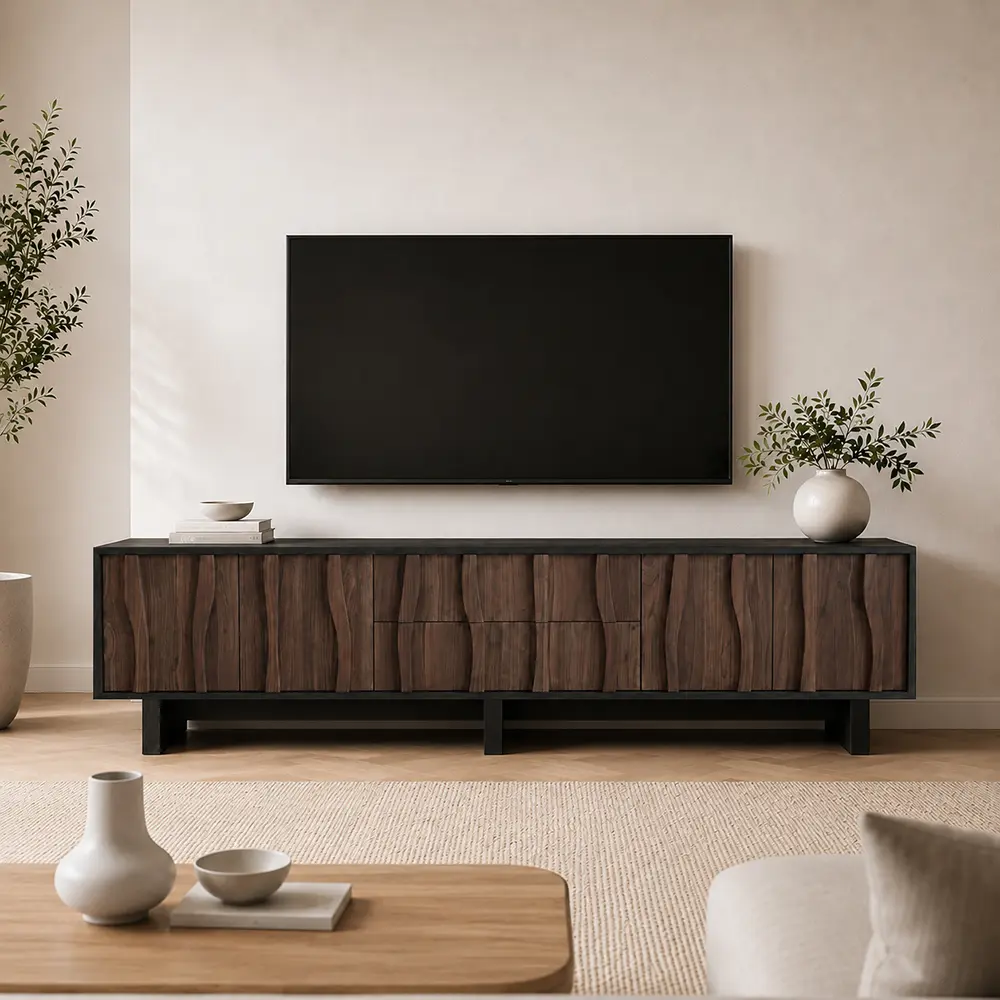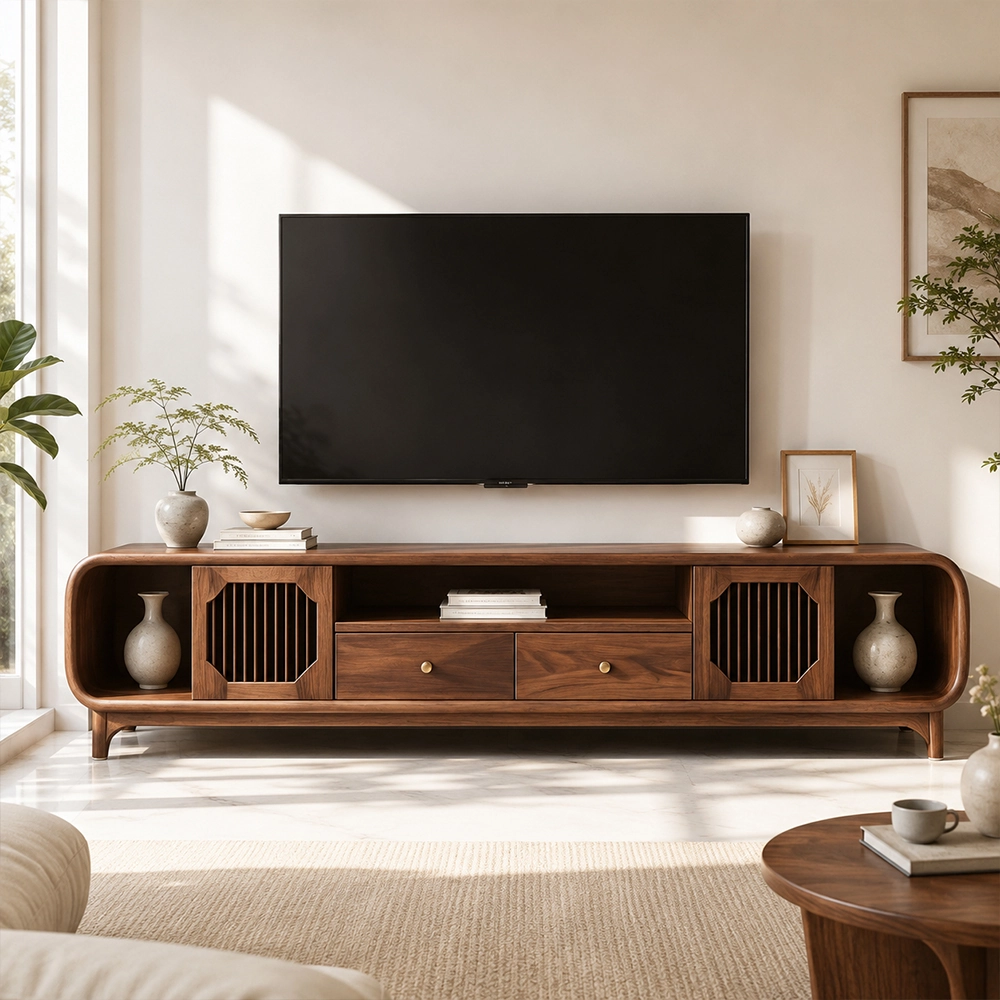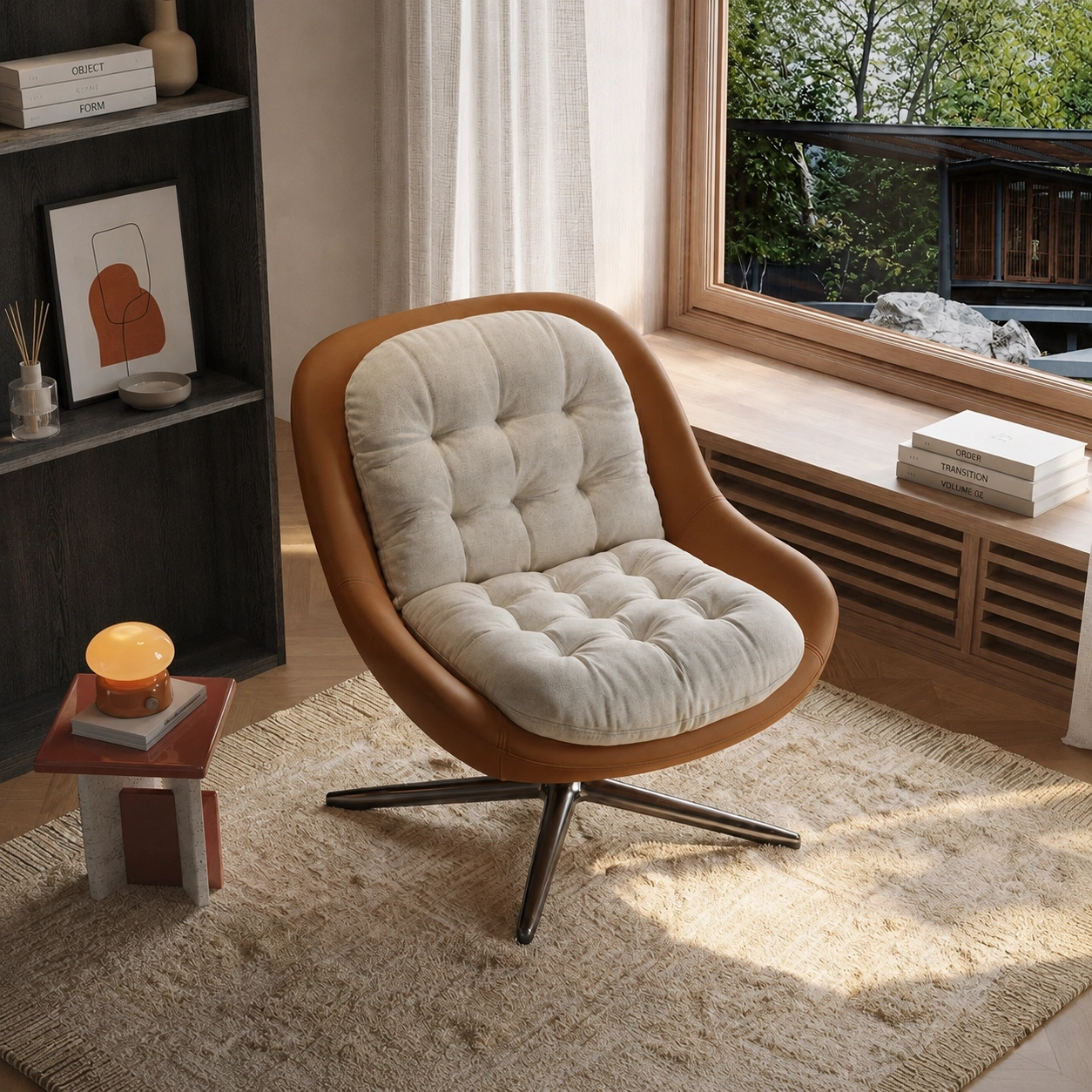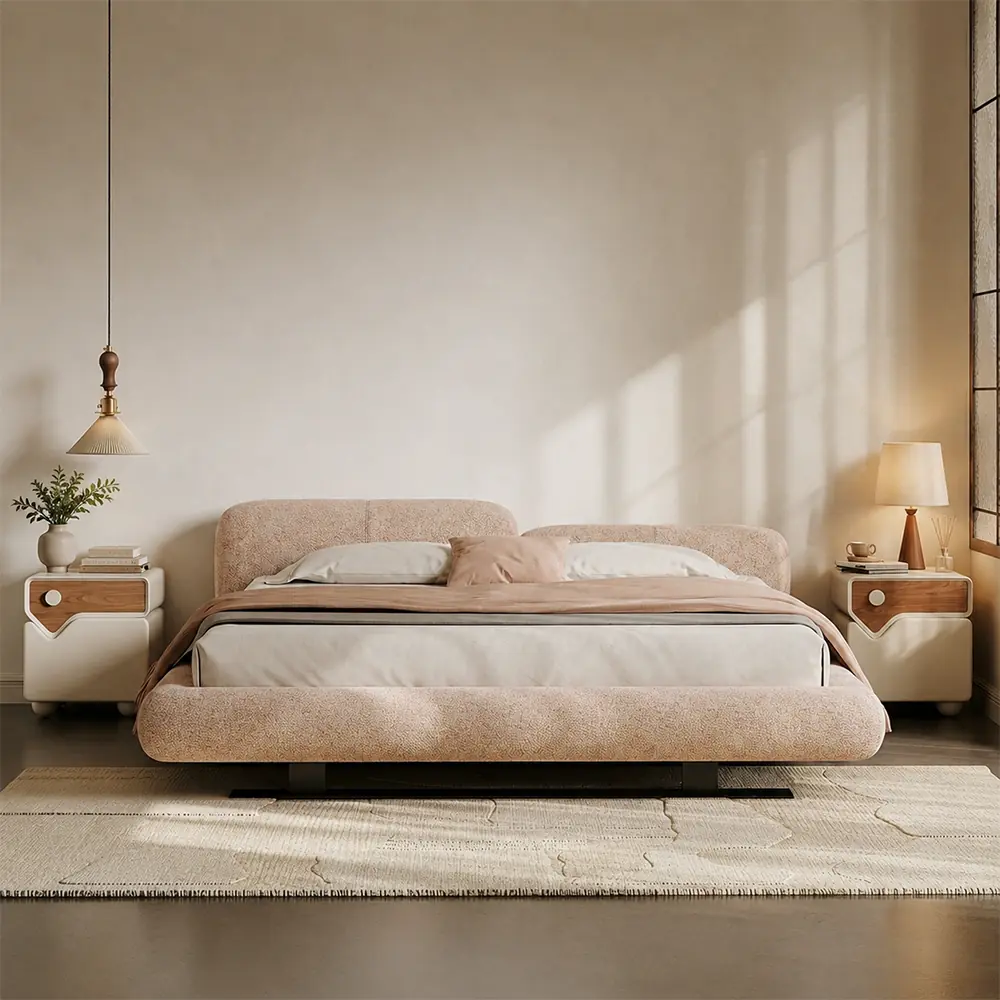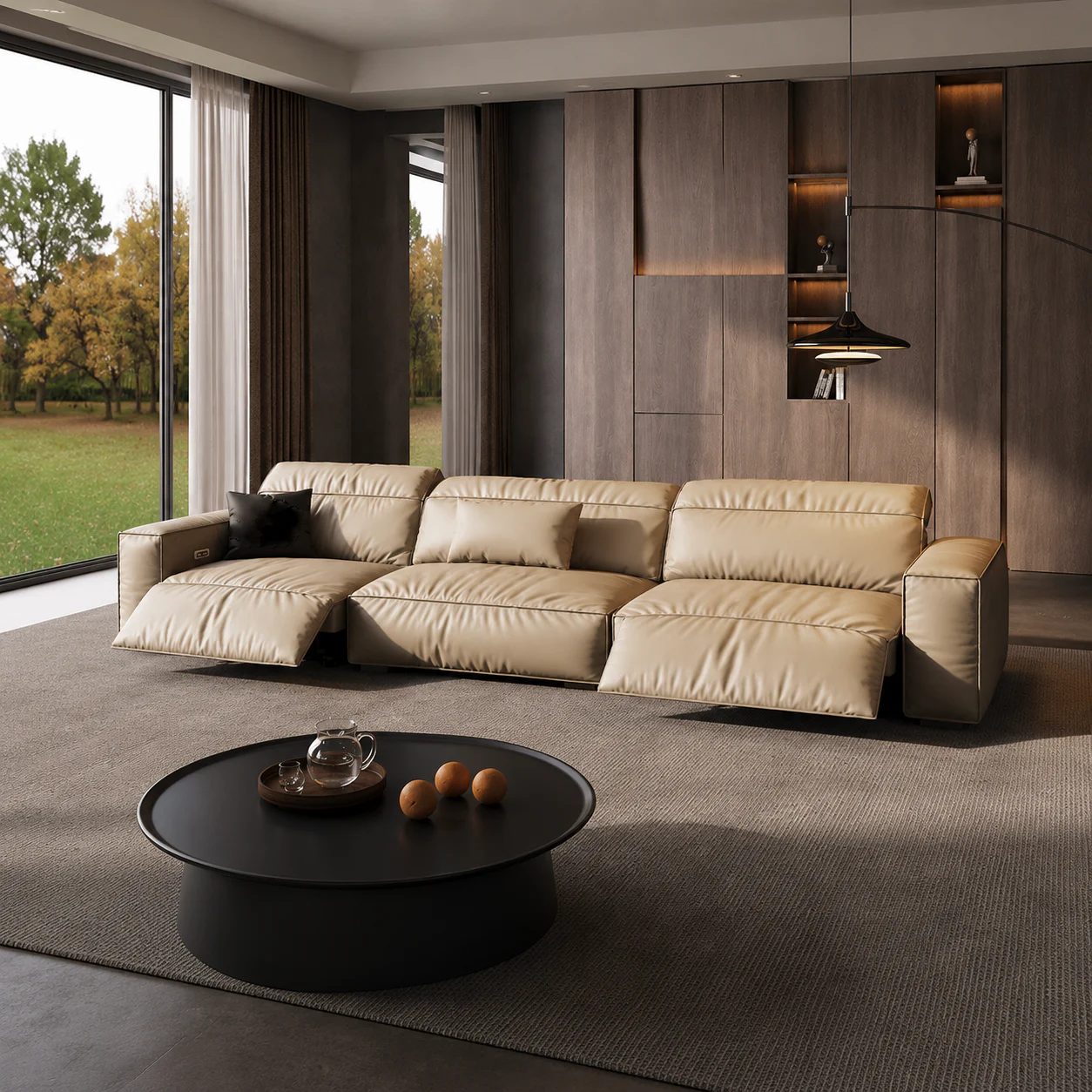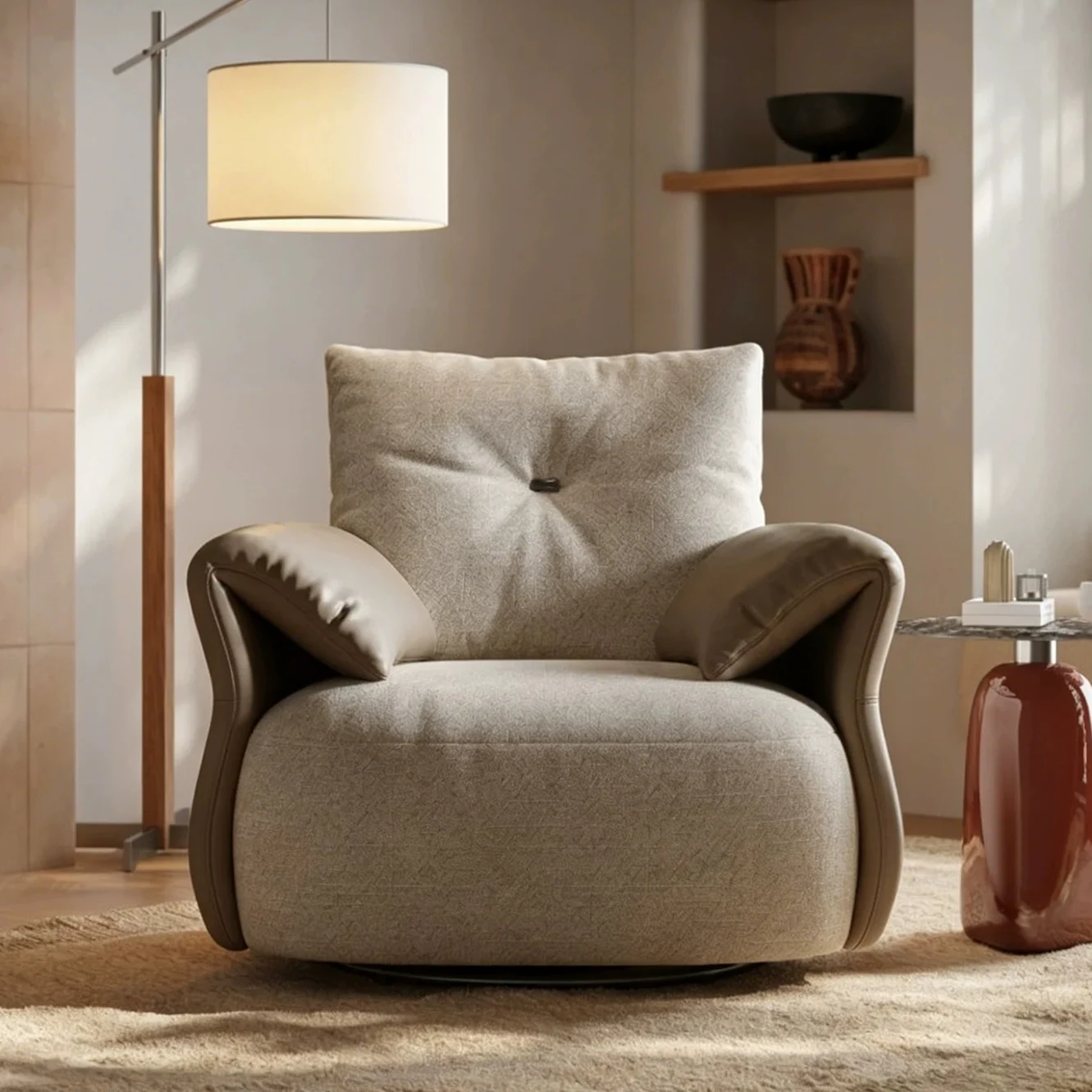
Choosing chairs buying guide becomes clearer when the documented materials, function and features, documented prices, style, and placement are considered together. The guide connects every detail to its source record, explains how it affects fit and everyday use, and leaves unsupported performance or durability claims unresolved.
What to know
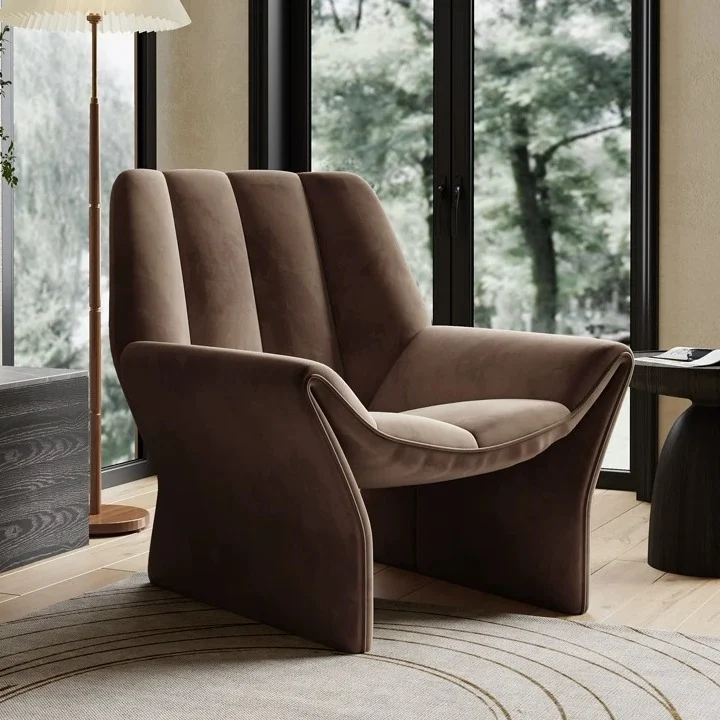
Another source record adds a separate combination. The source records the current price as $2,499 USD. The image and destination link identify the exact product; any specification absent from its source remains unresolved.
Material information is detailed enough to separate structural parts, surfaces, finishes, and accents where the source record provides them. Keep those component roles attached to the original product, then use the dedicated materials section instead of assuming that one headline material describes the entire piece.
How to choose
Turn the documented details into a written decision sheet before comparing appearance. Put the exact product identity and source link at the top, then list the measured room footprint, required operating clearance, recorded materials, selected variant, current price, and intended routine as separate checks. Mark a line confirmed only when the product source supplies that fact; label every other requirement unresolved. Reopen the same source after the first pass and verify the list again against the chosen product rather than a similar image or title. This process does not invent missing specifications. It makes the remaining information gaps visible and prevents a visually appealing option from bypassing a decision-critical constraint.
Measure the available footprint and the clearance needed for normal use before settling on a decision. Account for moving parts, access points, neighboring furniture, and circulation only as they apply to the specific product. Record any missing measurement as unresolved rather than estimating it from a photograph.
Compare the recorded materials and finishes as complete combinations, including the structure, surface, hardware, and trim where those details are available. The source data supports identifying those differences; durability or care claims should be made only when the product record supplies them.
Separate practical functions and features from decorative details, then rank only those present in the source record by the task they support. This keeps the guide specific to the documented product and prevents an attractive but irrelevant detail from outweighing fit, access, or the primary use.
The source-backed product records currently show USD 2499 and $2,499 USD. Compare only those documented prices attached to the exact products, treat each amount as a snapshot rather than a permanent promise, and reopen the product page before purchase to confirm the live price, selected variant, and currency.
Match each stated placement or use to the actual traffic path, neighboring furniture, and tasks performed in the room. A valid catalog use case is still only a starting point; the real setting must provide enough space and access for that particular product to work as described.
Size and fit
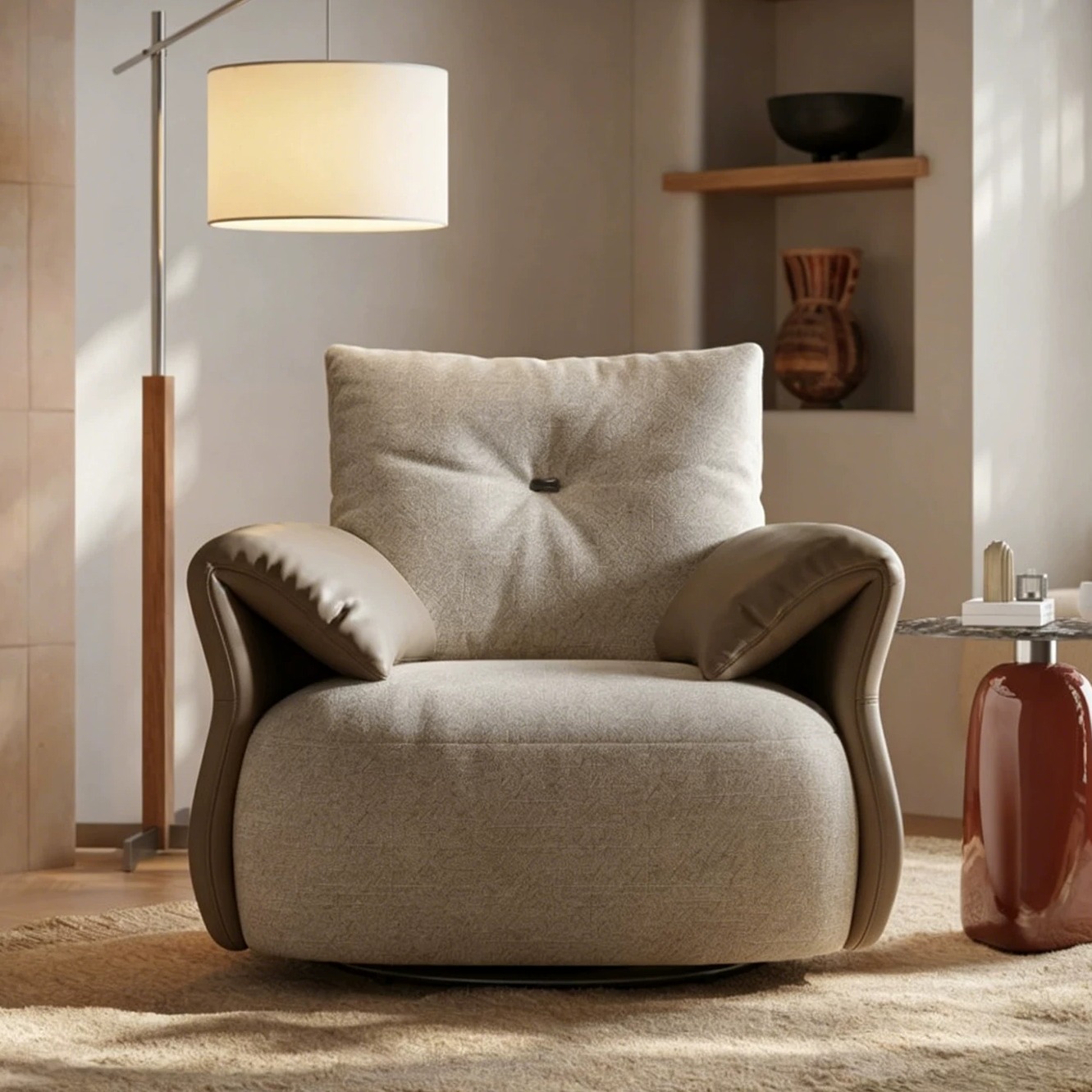
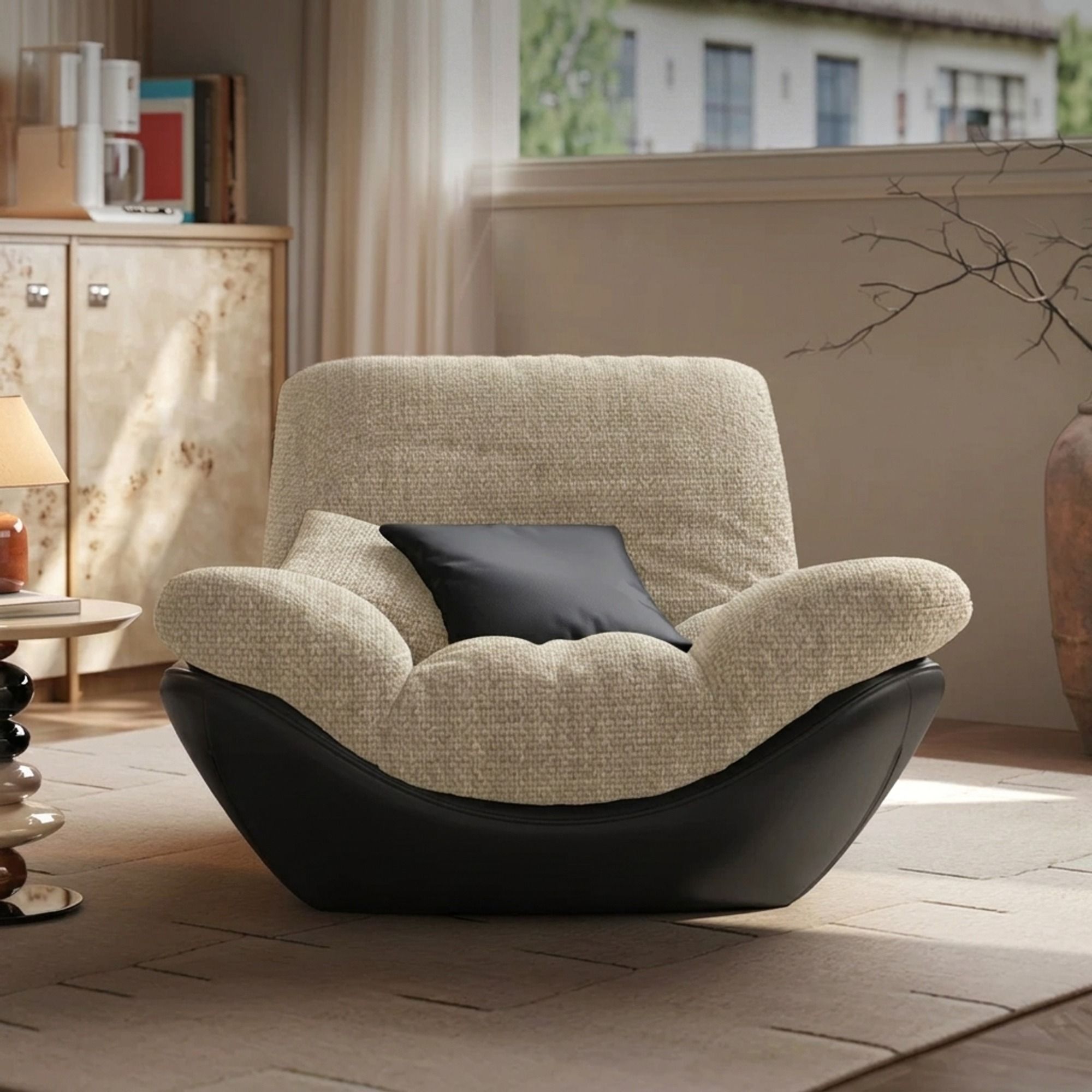
Recorded measurements and size descriptors include 35.4" L × 32.3" W × 32.7" H and documented dimensions. Confirm the unit and the exact product each value belongs to, then check the footprint together with any operating space or nearby circulation required by this type of furniture before treating the fit as resolved.
Materials
The source record shows materials that include Fabric, Solid Wood, Sponge, foam, cotton linen, Skin-friendly, breathable, and Soft. These labels may describe different components, so confirm which one belongs to the structure, surface, hardware, upholstery, or trim rather than assuming that every named material covers the entire piece.
Style notes
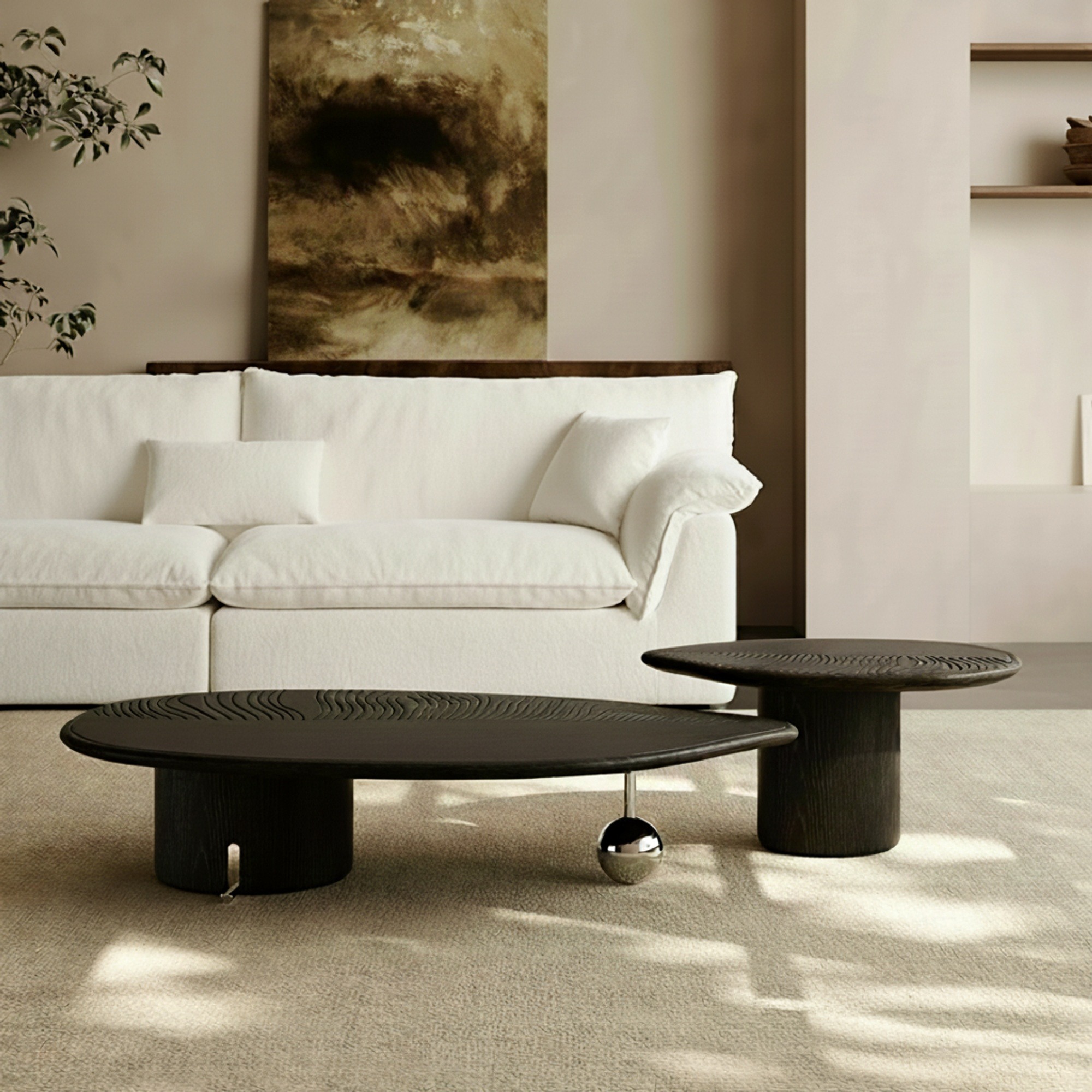
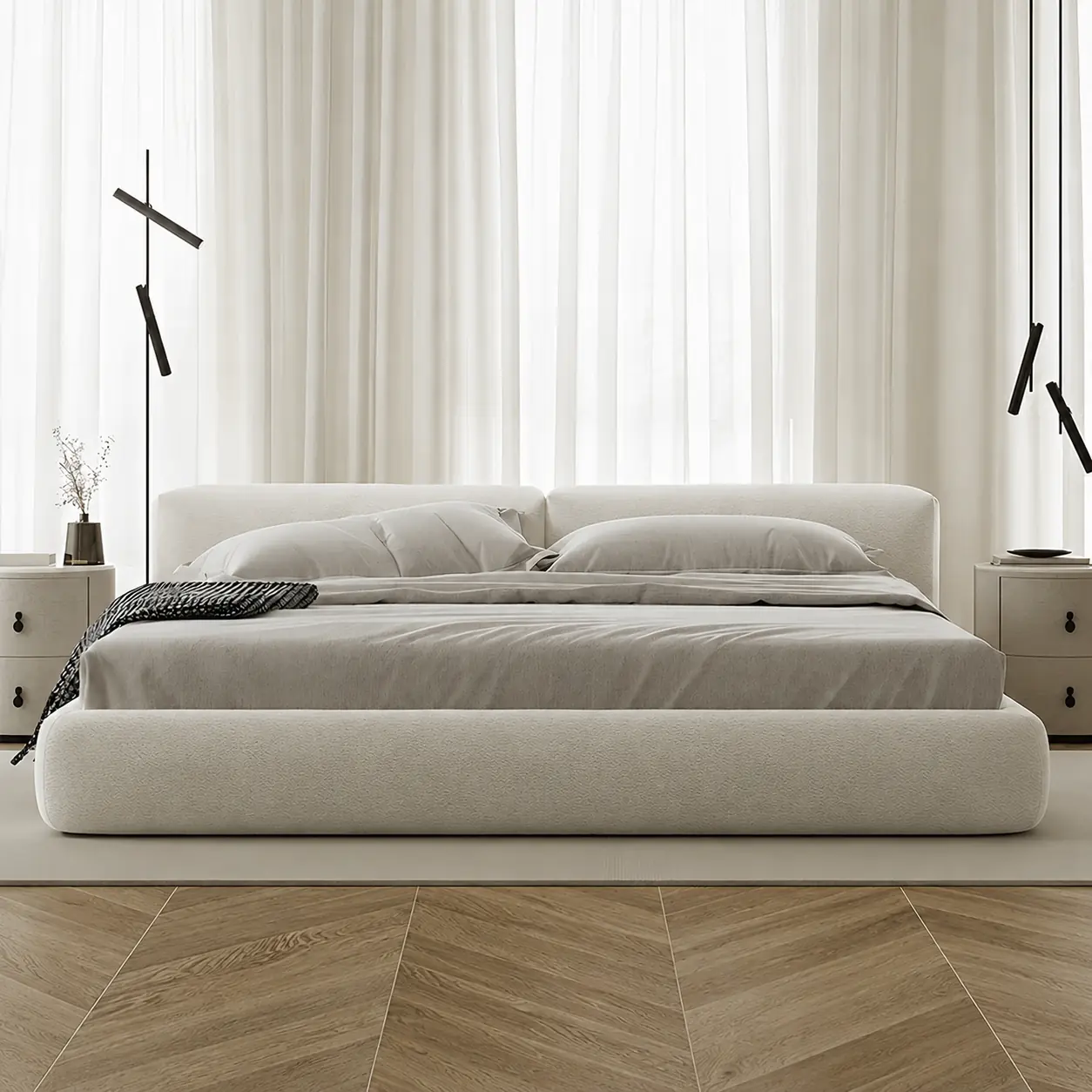
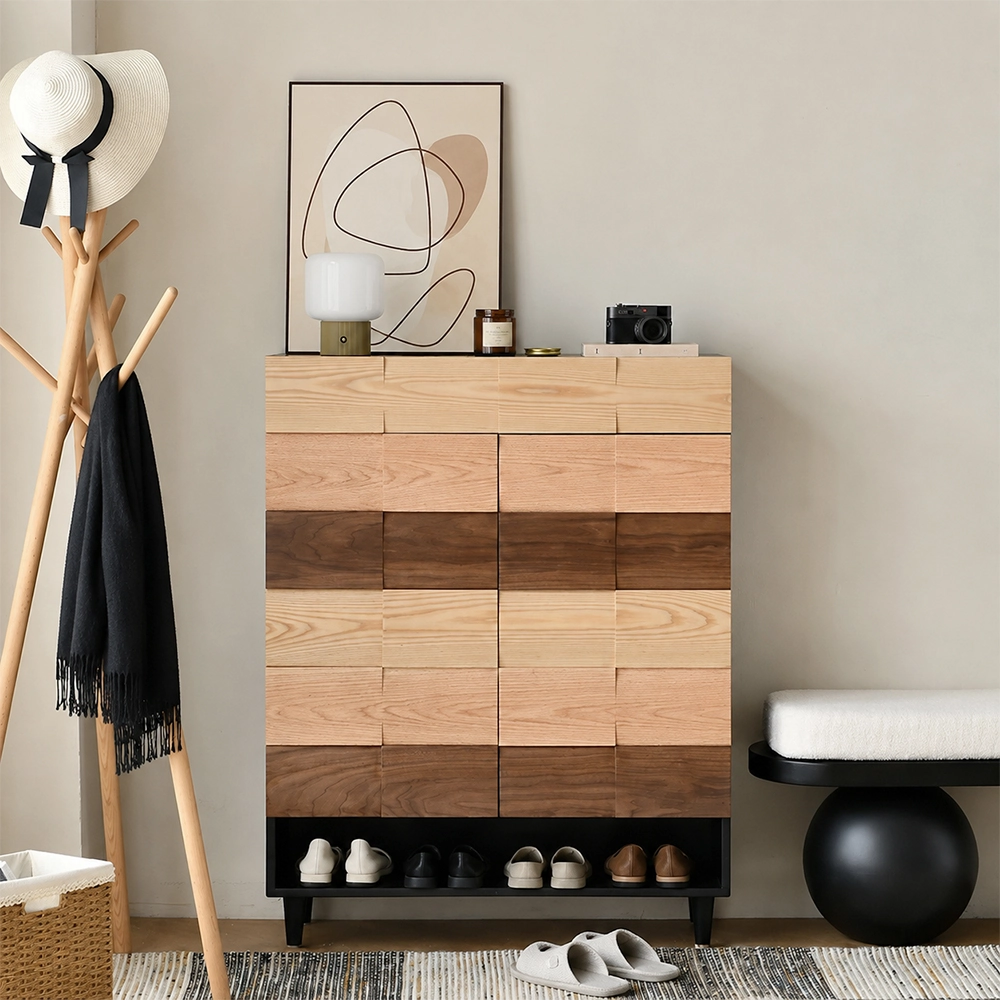
The documented visual range includes Brown / Beige / Orange / Green, Beige & Brown & Orange & Green, contemporary, Refined, tranquil focal point, and Italian Minimalist. Use those terms to coordinate the piece with existing shapes, finishes, and colors, but keep style separate from function: a preferred look should not override an unsuitable footprint, clearance, or placement requirement.
Objects referenced in this guide
A considered selection connected to this guide, with direct links to view each product.
Where it works
The source record assigns this product to particular rooms or routines. Translate each label into a real sequence of actions: who approaches the piece, how it is used, whether any part moves or opens, and which neighboring furniture or walkways must remain accessible. That test turns a broad placement label into a room-specific decision.
What to avoid
Do not fill gaps in this product's record with details from a similar-looking item. Verify missing measurements, keep each documented material and feature attached to this source, and use the image and destination link for the final identity check.
Do not treat a missing specification as evidence that the requirement does not apply. Mark an absent dimension, material placement, operating detail, or care instruction as unresolved, and do not substitute an estimate based on the product image.
A common mistake is to compare color and silhouette while ignoring functional details and operating clearance. Test the product-specific feature and clearance information already summarized in this guide against the daily routine before appearance becomes the deciding factor.
Frequently asked questions
Where is this piece intended to be used?+
The source material mentions living room and Unwinding. Treat those as documented settings or routines, then confirm dimensions, circulation, and nearby furniture in the actual room.
What should be checked before making a final choice?+
Confirm the exact product's material, intended placement, image, and link, then measure the available footprint and operating clearance. Any important fact missing from the source should remain unresolved rather than inferred from a similar-looking item.
Which materials appear in the documented product?+
The record includes Fabric, Solid Wood, Sponge, foam, cotton linen, Skin-friendly, breathable, and Soft. Check the product-specific source to see where each material is used.
Which functions or features matter for everyday use?+
Documented functions and features include Assembly Required: Partially Assembled, Skin-friendly, breathable, Preserves softness and shape, and Soft. Their relevance depends on the routine supported, so rank them by practical use rather than novelty.
How should missing specifications be handled?+
Treat an important missing dimension, material, feature, or care instruction as unresolved. Do not infer it from the image or from another product with a similar appearance.
Final checklist
A sound final choice should connect the room measurements and daily routine to one product's documented material, features, image, and destination link. Keep those facts attached to their original record, and leave any unsupported claim unresolved instead of borrowing it from a similar option. Before acting, reopen the exact source page to confirm that the saved product and every decision-critical detail are still current for the intended room. Use the checklist as a final verification pass: confirm identity, variant, live price, dimensions, access clearance, finish, and placement one by one, and postpone the decision whenever a requirement remains undocumented or conflicts with the measured space.
Sources and verification notes
This page is assembled from saved product records and verified knowledge sources. Missing information is not filled with assumptions.