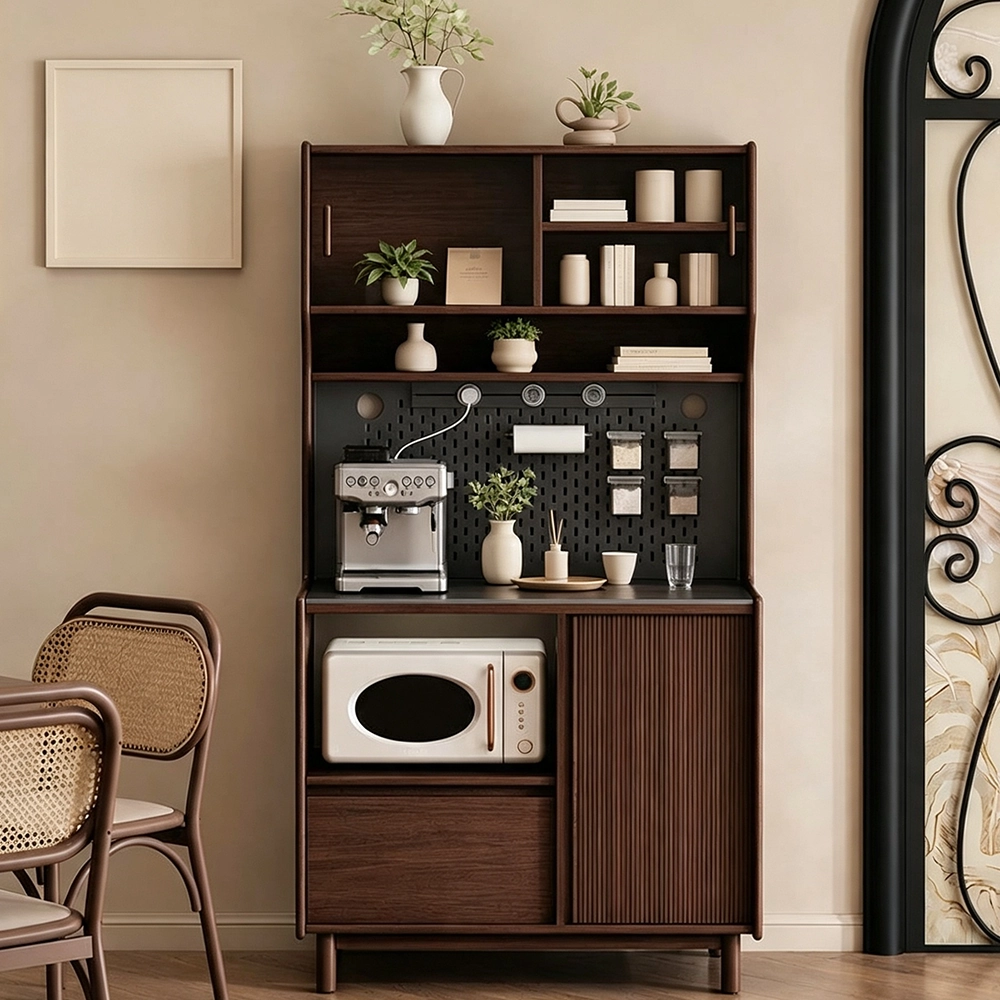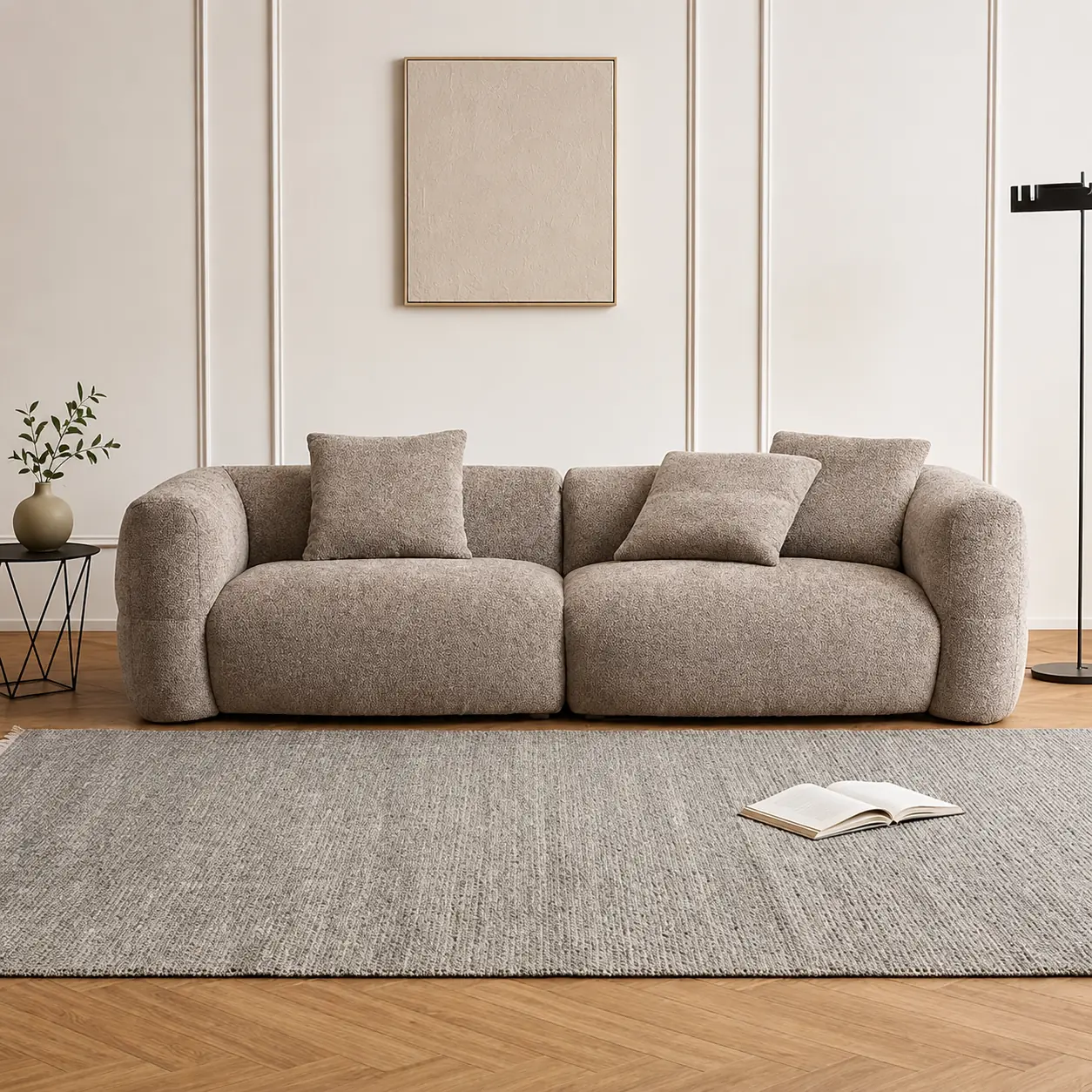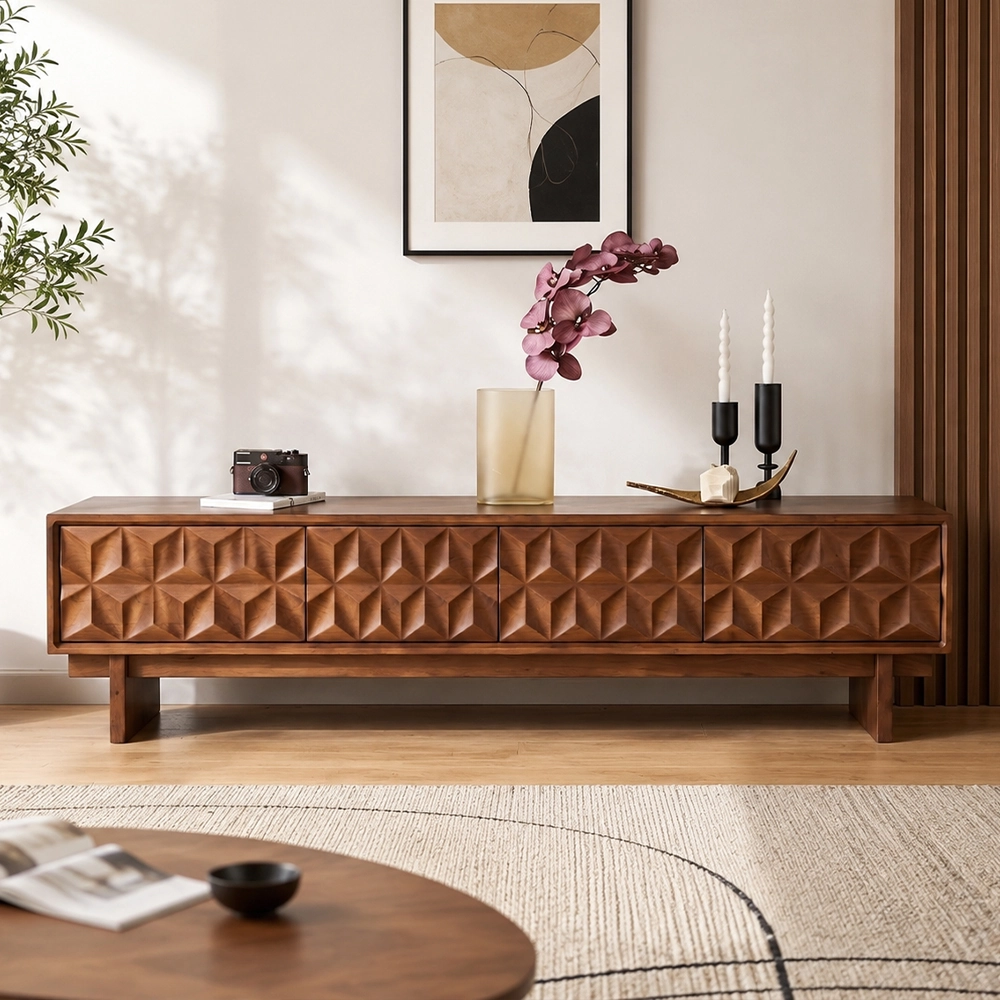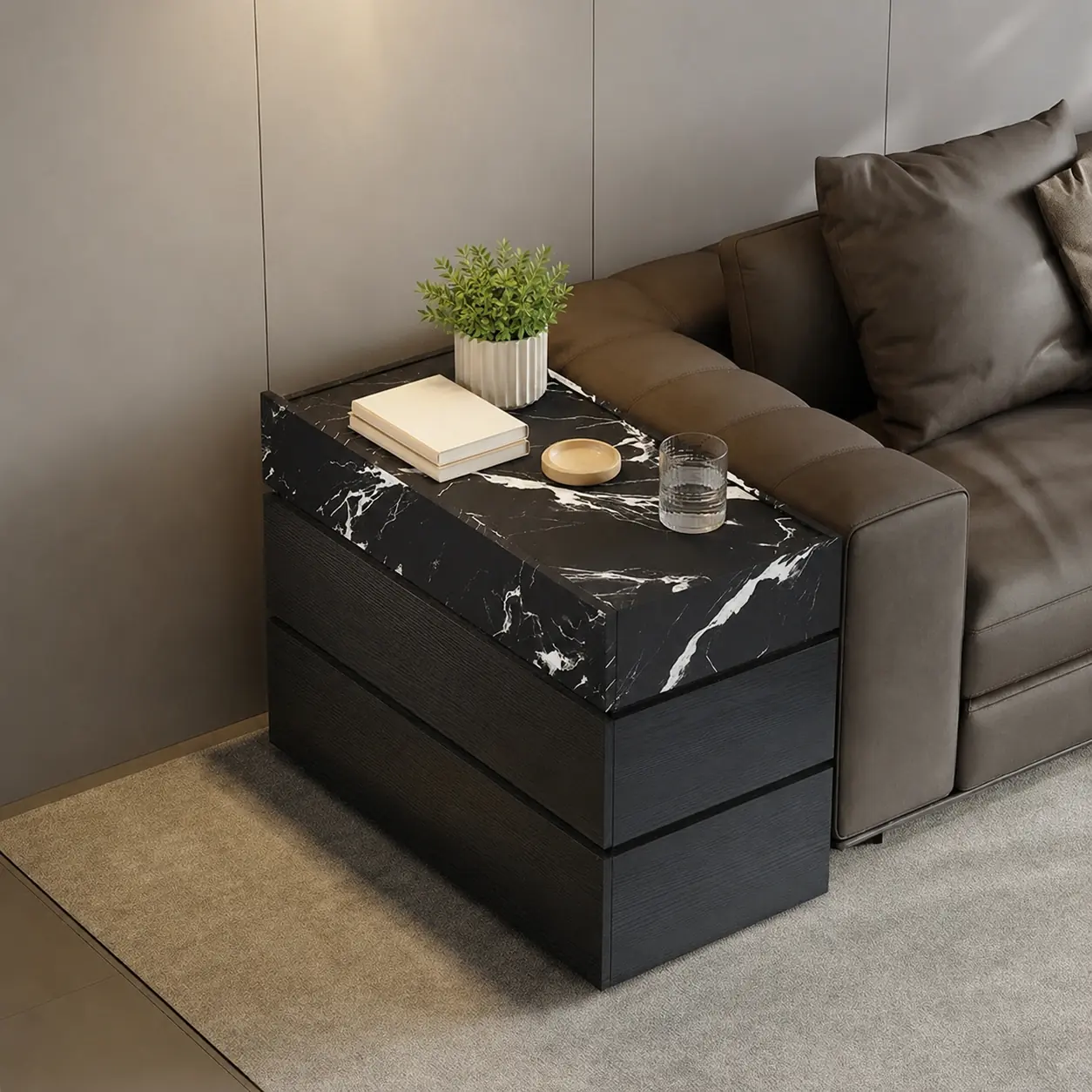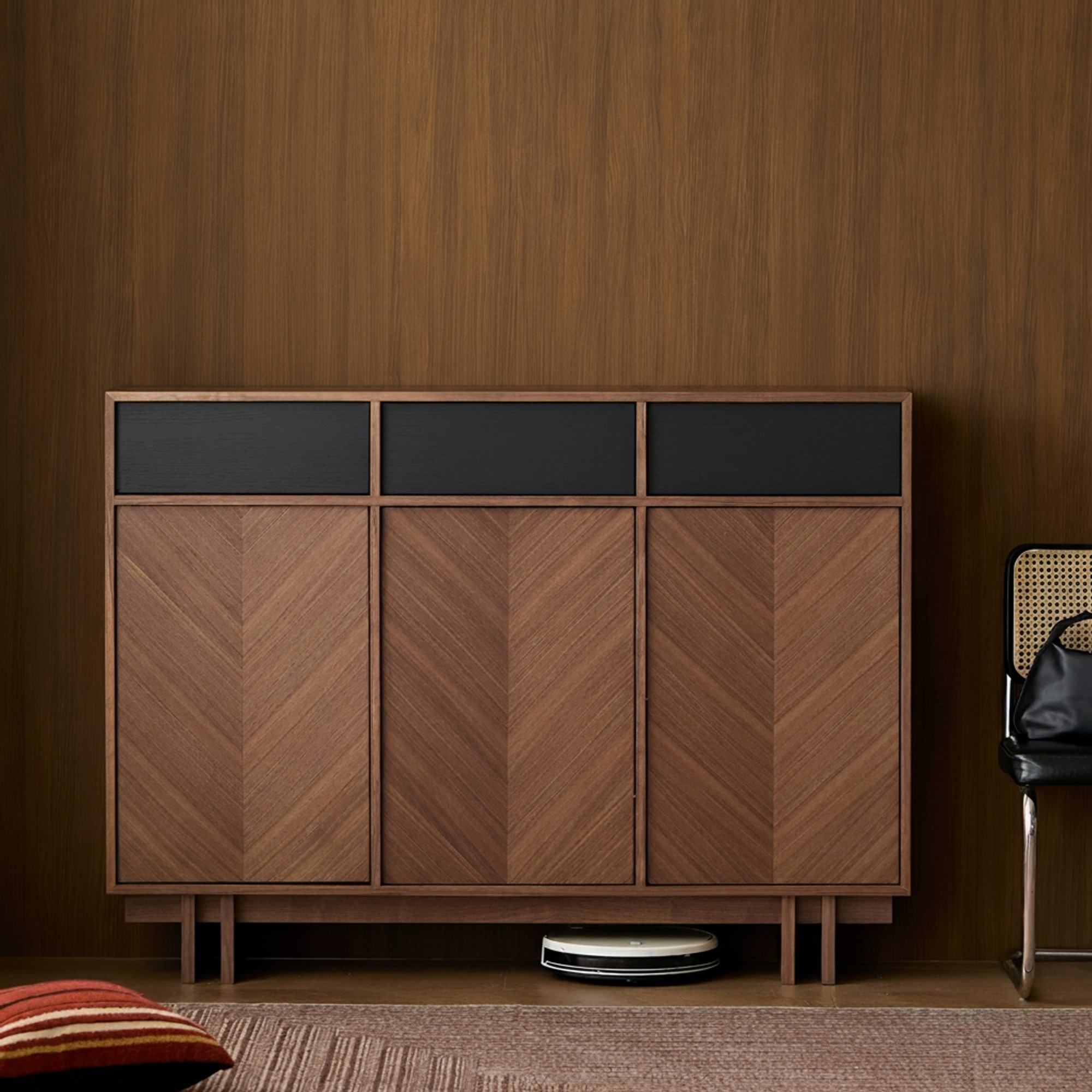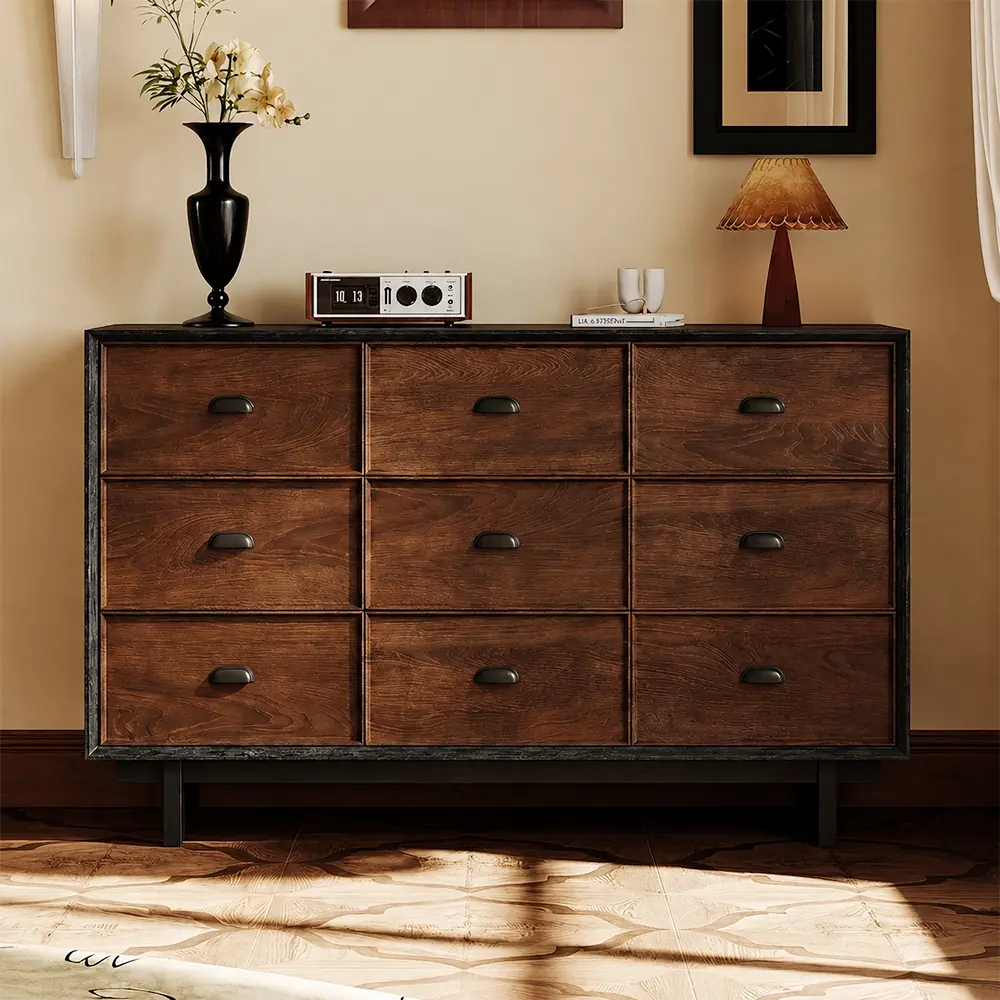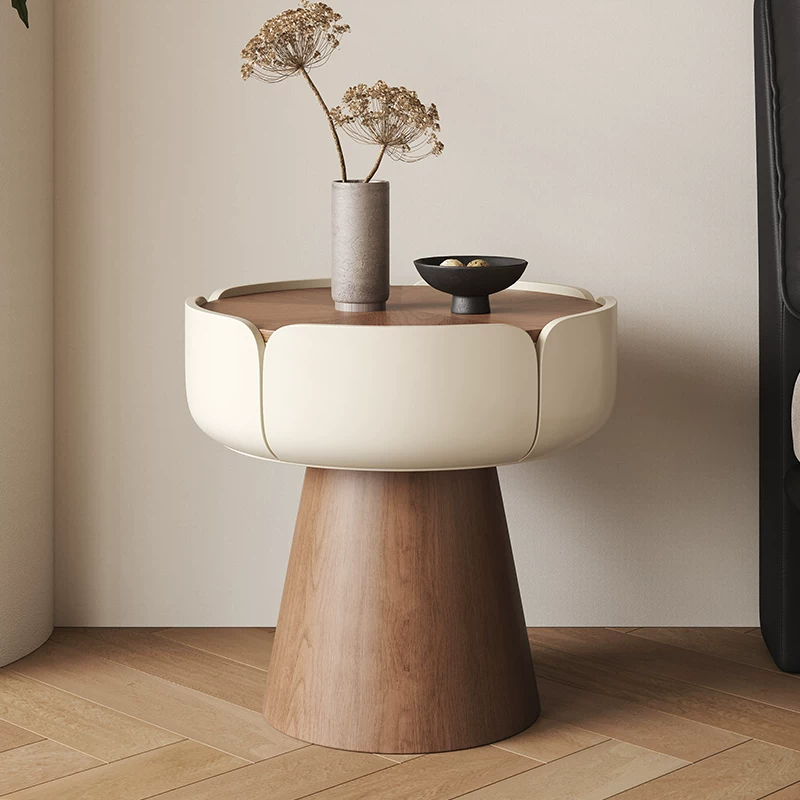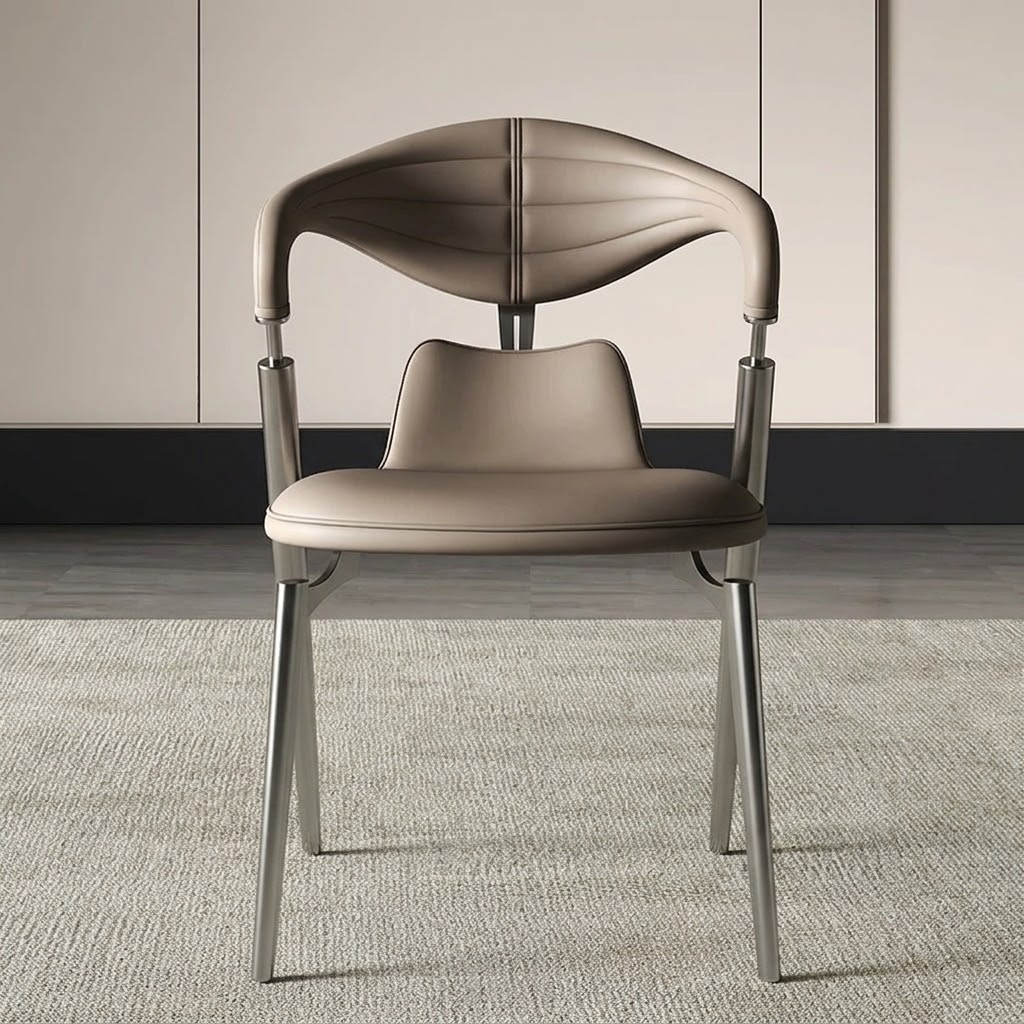
Crescent Design Nightstand is examined here to create a surface-specific maintenance plan. The source separates care requirements (documented care), materials and finish (minimalist / contemporary / solid wood), and rooms and routines (home organization / bedroom / home organization) into concrete inputs for that task. The working method is to match each documented instruction to its exact material or finish before considering cleaners, moisture, heat, or sunlight. Category assumptions do not fill a missing specification.
What to know
Care And Upkeep care requirements — Care: documented care. Follow an instruction only for the material or finish to which the source attaches it. Unlisted treatment tolerances remain unknown. Connect this input to the practical task: create a surface-specific maintenance plan.
Care And Upkeep rooms and routines — Use Case: bedroom; Use Case: home organization; Room Context: bedroom. Use these settings to construct the actual approach, use, and exit sequence. A room label by itself is not proof of fit. Mark any adjacent value unresolved before deciding, especially when the alternative would mean borrowing a treatment from a similar-looking surface.
Care And Upkeep materials and finish — Color: White; Material: solid wood; Style: contemporary. Read each label at component level. The record does not turn a named surface, frame material, upholstery, or finish into an unsupported whole-product durability claim. Keep the live source beside the worksheet while you match each documented instruction to its exact material or finish before considering cleaners, moisture, heat, or sunlight.
Product-specific care and upkeep inventory for Crescent Design Nightstand: rooms and routines with Room Context inventory field 1: home organization; Room Context inventory field 1: bedroom; Use Case inventory field 1: home organization; materials and finish with Style inventory field 1: minimalist; Style inventory field 1: contemporary; Material inventory field 1: solid wood; care requirements with Care inventory field 1: documented care. Additional source fields outside this article's main decision focus are measurements: Overall Product Dimension: 19.7" L × 15.7" W × 19.7" H; Size Profile: documented dimensions; price and currency: Price Usd: USD 1699; Price Usd: $1,699 USD; storage and operating features: Number Of Drawers: 3; Feature: Assembly Required: Partially Assembled; Storage Type: drawers. The evidence notes above keep the same facts in their decision context; this inventory preserves the source-stated fields without turning them into repeated editorial sentences. An absent axis remains unknown and cannot be inferred from another axis.
How to choose
Care And Upkeep care requirements checkpoint: Apply a care instruction only to the material or finish named by the same source, and treat unlisted chemical, moisture, heat, and sunlight tolerances as unknown. Work from the exact entry above, and apply that check before appearance enters the decision. Source field: documented care.
Care And Upkeep rooms and routines checkpoint: Walk through the stated room routine from approach to use and exit, checking traffic paths, nearby furniture, outlets, and moving parts against the actual space. Keep this checkpoint tied to its cited evidence entry; leave the requirement open instead of estimating it. Source field: bedroom.
Care And Upkeep materials and finish checkpoint: Match each named material or finish to its documented component before planning cleaning, wear, or color coordination; a material label alone does not establish whole-product construction. Carry the corresponding sourced field into this check, then write the result beside the product identity. Source field: White.
Create an evidence-status ledger before making the care and upkeep decision. Give each requirement its own row, mark the source-stated fields confirmed, and leave every absent measurement, component role, capacity, operating condition, or care limit unresolved. Add the exact source beside each confirmed row so a later check can distinguish a documented fact from a room-side assumption. This ledger makes a short product record usable without making it look more complete than it is.
Use a stop rule for missing information. If the intended routine depends on an unstated clearance, load, material role, maintenance limit, or capacity, pause that part of the care and upkeep decision and seek an exact source answer. Do not substitute a category average, visual estimate, or specification from a similarly named item. This rule turns uncertainty into a visible action item and prevents an incomplete record from receiving an unsupported pass.
Build a decision log that preserves time and variant context. Note when the source was checked, which visible product identity and variant were reviewed, which requirements remain open, and what would cause the decision to be revisited. Reopen the destination page before acting and compare the current record with that log. A changed amount, finish, dimension, or feature starts a new verification pass; it does not silently overwrite the earlier evidence.
Run a room-side rehearsal separately from the product record. Tape the available footprint, walk the delivery route, trace normal circulation, and operate nearby doors or furniture without converting those observations into catalog specifications. Record pass, fail, or unresolved for each step, then connect only the relevant result to Crescent Design Nightstand. Keeping environmental measurements in their own worksheet protects the source boundary while exposing practical conflicts that a product image cannot settle.
Where it works
Stage the routine around the bedroom setting. Treat clutter and organization as a planning lens rather than a source-stated promise. Test 3 through loading, access, retrieval, return, and reset; then compare the measured footprint with the approach path, neighboring furniture, and exit path. This rehearsal stays tied to the sourced product instead of assuming that every item in the category behaves the same way.
Objects referenced in this guide
A considered selection connected to this guide, with direct links to view each product.
What to avoid
Crescent Design Nightstand requires its own evidence rehearsal. In the documented setting, put the evidence profile's derived planning lens (assembly planning) beside the operating or storage evidence; inspect the material cue (contemporary) at component level; transfer the stated measurements to the room plan; and retain the price cue (USD 1699) with its exact variant and currency. The source does not state a derived lens as a product claim. Do not replace any part of that product-specific chain with a category average or a similar item's specification.
Frequently asked questions
What does the source establish about care requirements for this care and upkeep review?+
Care: documented care. These are the source-backed care requirements for the task to create a surface-specific maintenance plan. Use them as confirmed inputs, and keep any adjacent specification absent from the record unresolved.
What does the source establish about materials and finish for this care and upkeep review?+
Color: White; Material: solid wood; Style: contemporary. These are the source-backed materials and finish for the task to create a surface-specific maintenance plan. Use them as confirmed inputs, and keep any adjacent specification absent from the record unresolved.
What does the source establish about rooms and routines for this care and upkeep review?+
Use Case: bedroom; Use Case: home organization; Room Context: bedroom. These are the source-backed rooms and routines for the task to create a surface-specific maintenance plan. Use them as confirmed inputs, and keep any adjacent specification absent from the record unresolved.
Which failure should this care and upkeep review prevent?+
Stop and verify the live product source whenever the decision would depend on borrowing a treatment from a similar-looking surface. A source-backed article can define known inputs and checks, but it cannot convert an absent fact into evidence.
What is the working method for this care and upkeep decision?+
Use the documented entries to match each documented instruction to its exact material or finish before considering cleaners, moisture, heat, or sunlight. Record any measurement, component role, capacity, variant, or operating condition not supplied by the source as unresolved rather than estimating it.
Final checklist
Complete the care and upkeep decision for Crescent Design Nightstand by using the documented care requirements, materials and finish, rooms and routines to create a surface-specific maintenance plan. Reopen the live source, verify Care: documented care; Color: White; Material: solid wood; Style: contemporary; Use Case: bedroom; Use Case: home organization; Room Context: bedroom, and then match each documented instruction to its exact material or finish before considering cleaners, moisture, heat, or sunlight. Postpone the decision wherever the evidence would leave you borrowing a treatment from a similar-looking surface.
Sources and verification notes
This page is assembled from saved product records and verified knowledge sources. Missing information is not filled with assumptions.