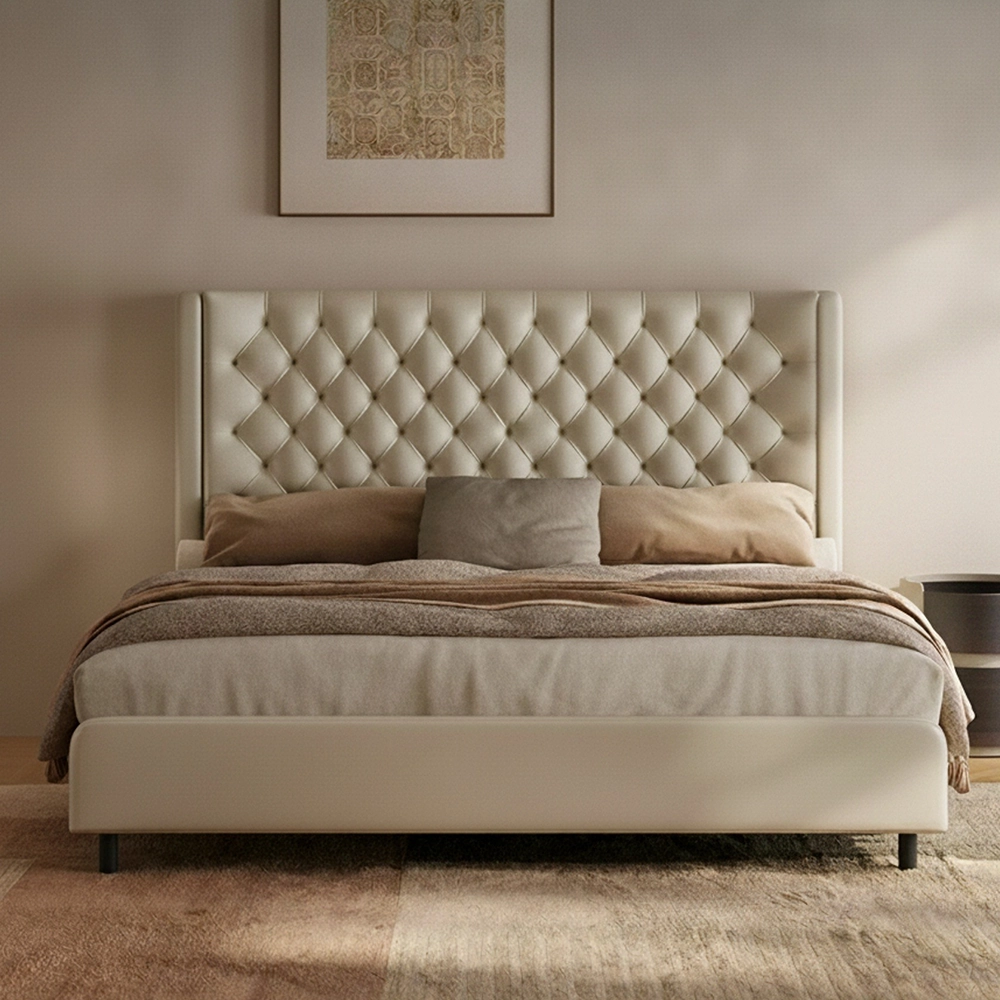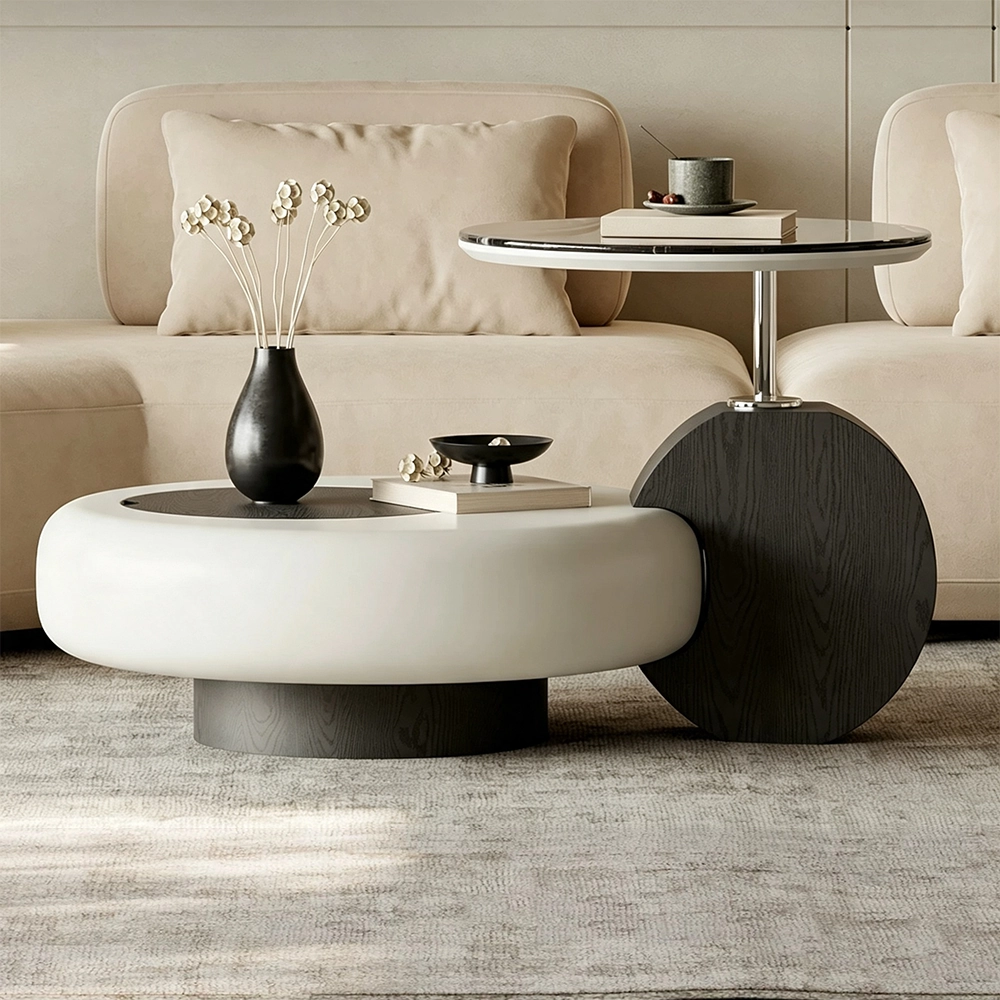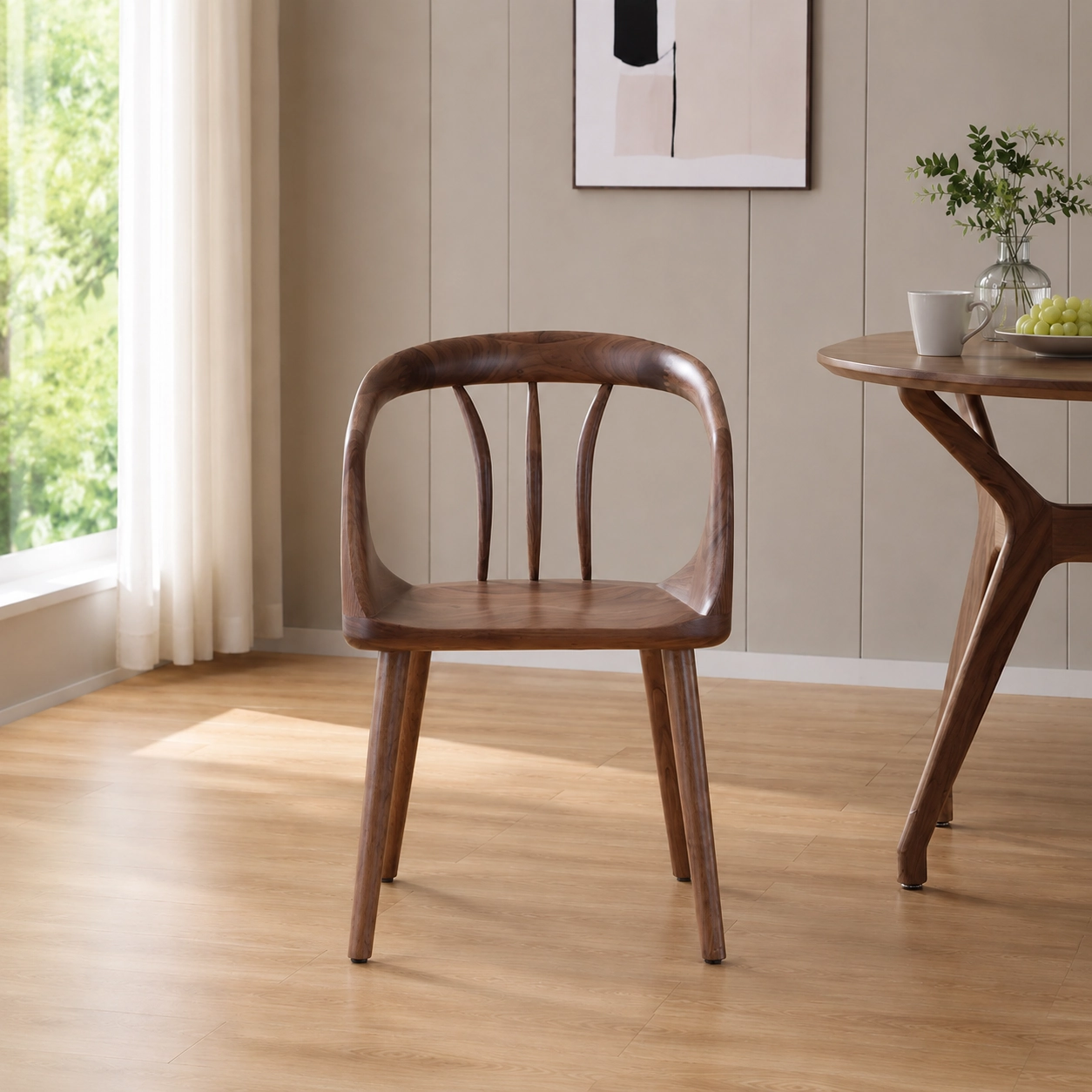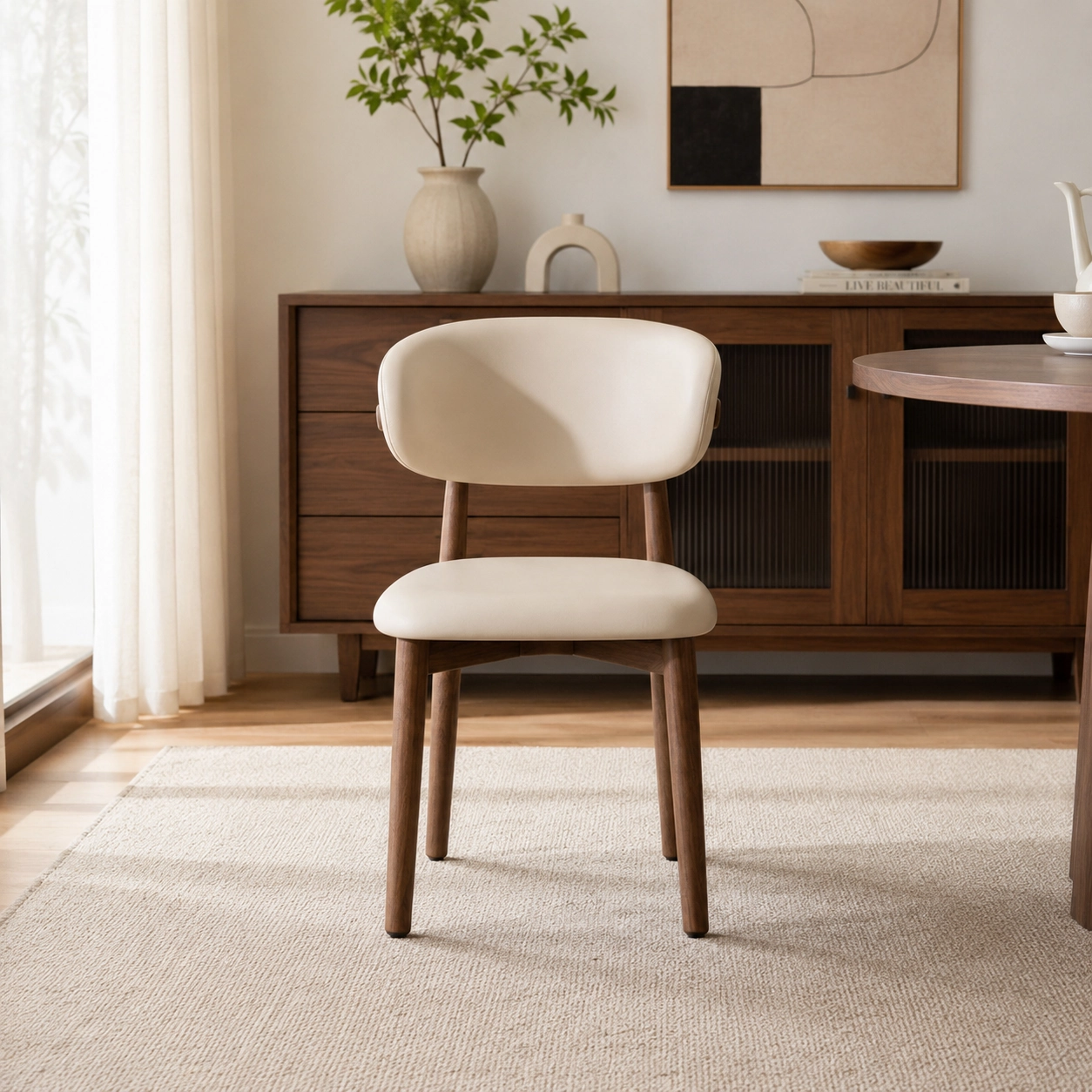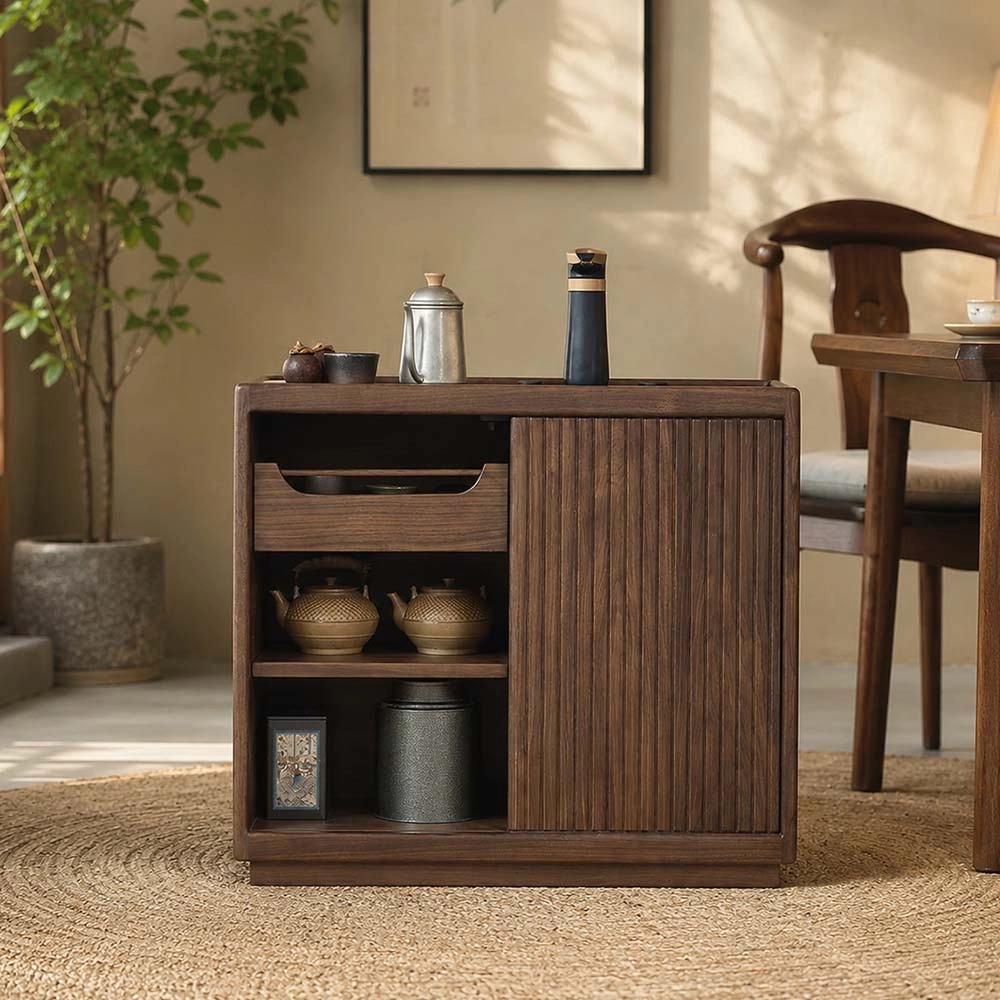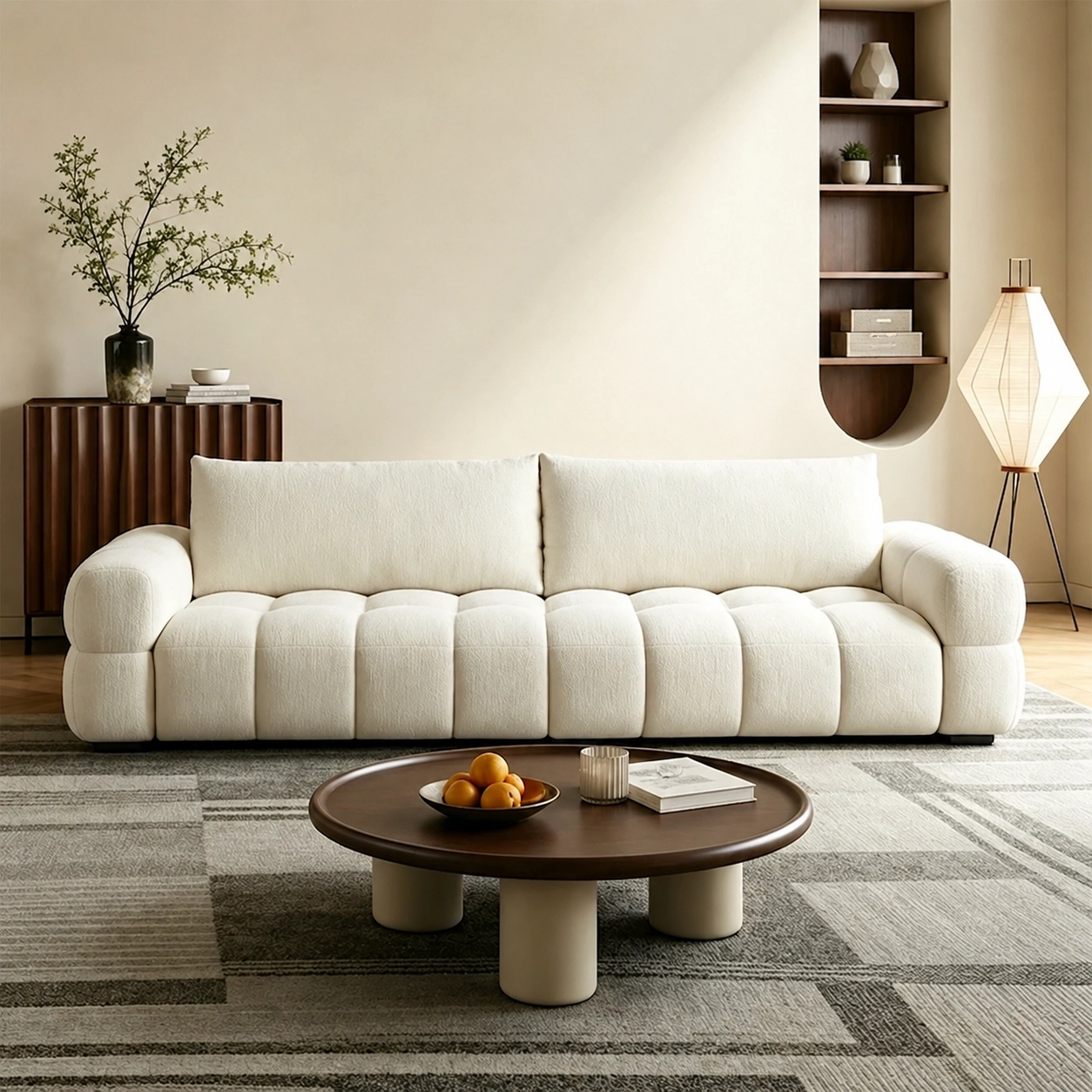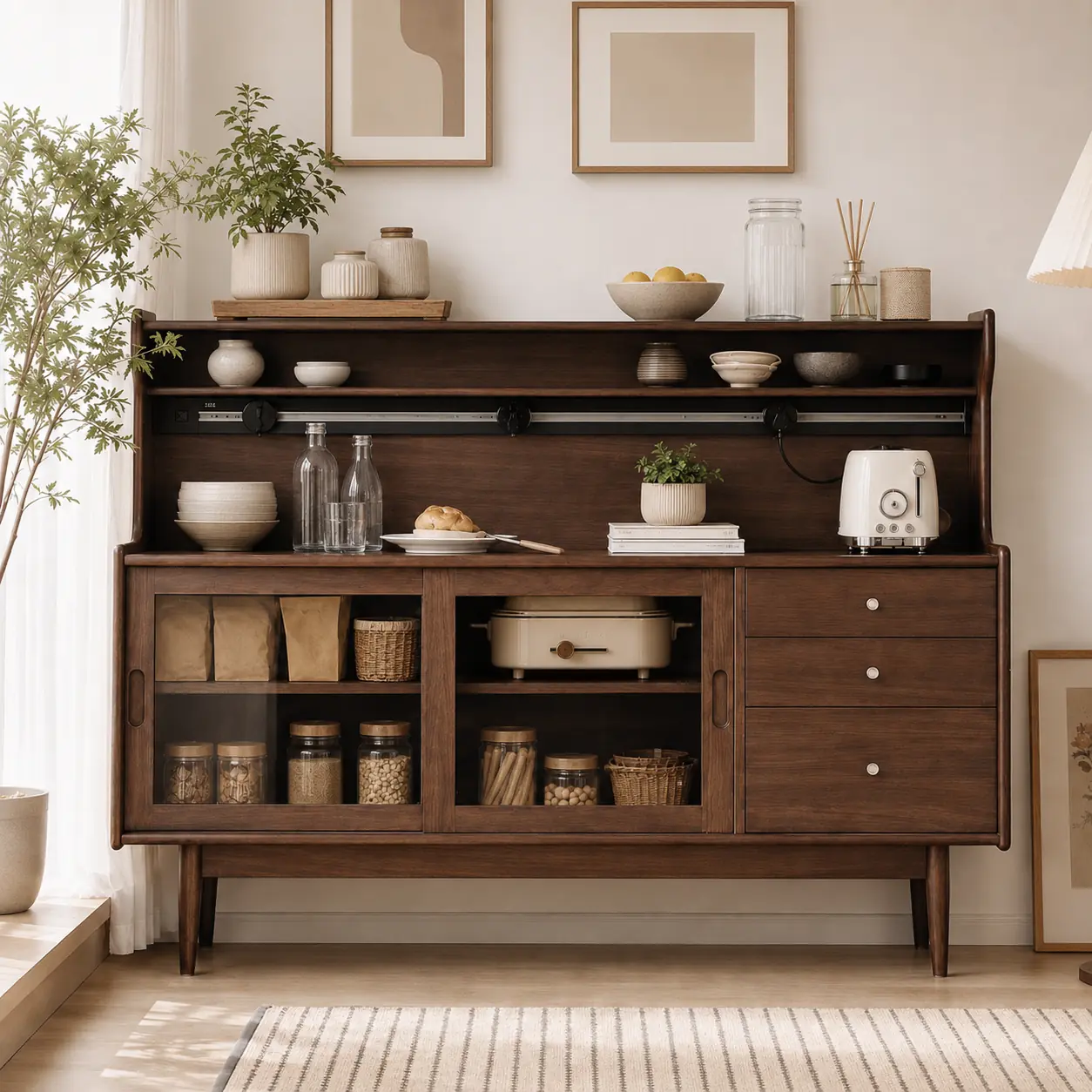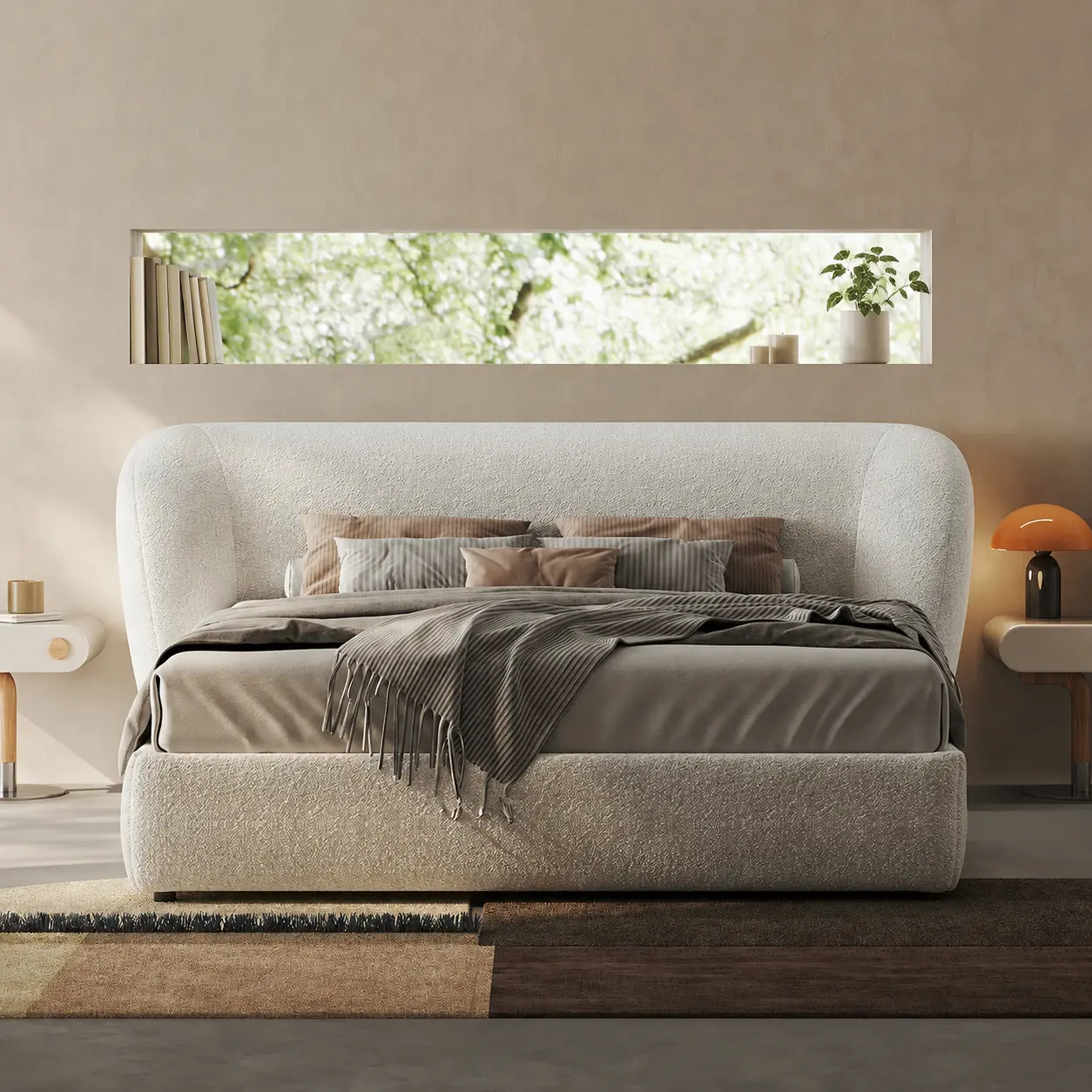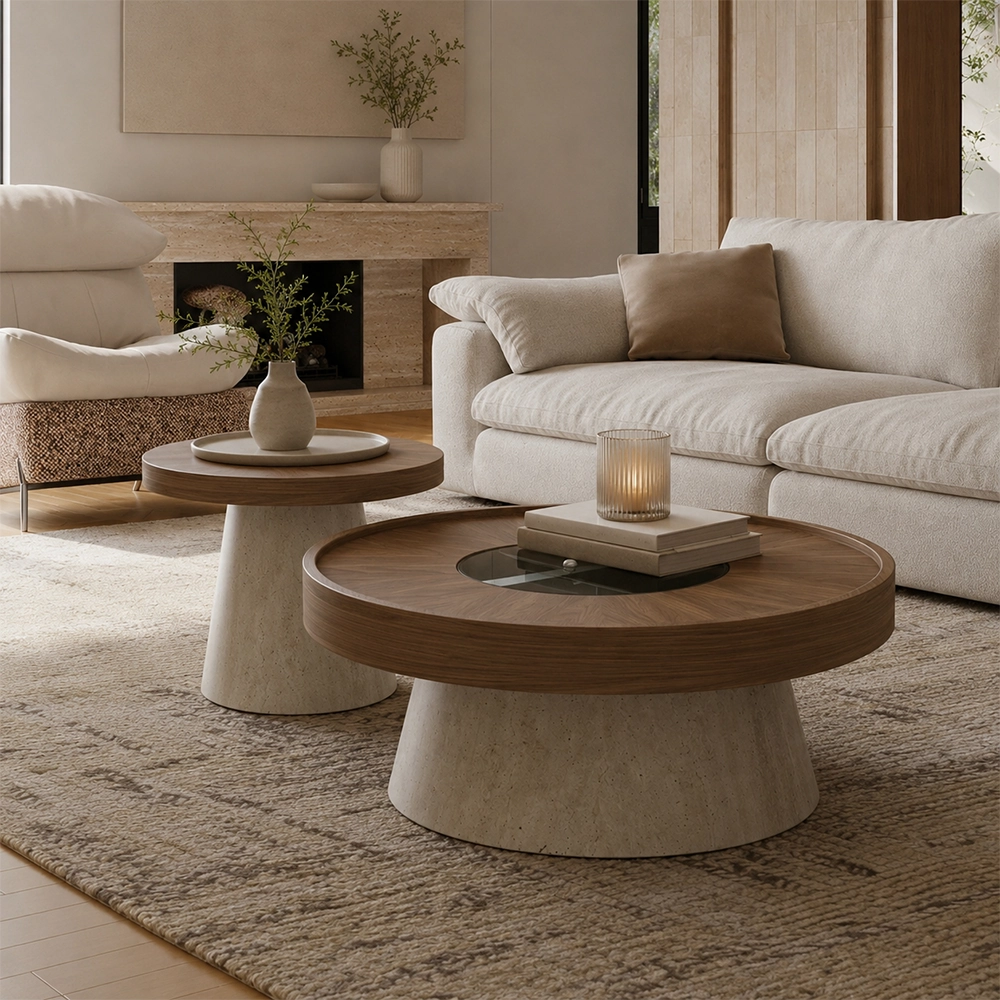
Choosing side table buying guide becomes clearer when the documented materials, storage, function and features, documented prices, style, and placement are considered together. The guide connects every detail to its source product, explains how it affects fit and everyday use, and leaves unsupported performance or durability claims unresolved.
What to know
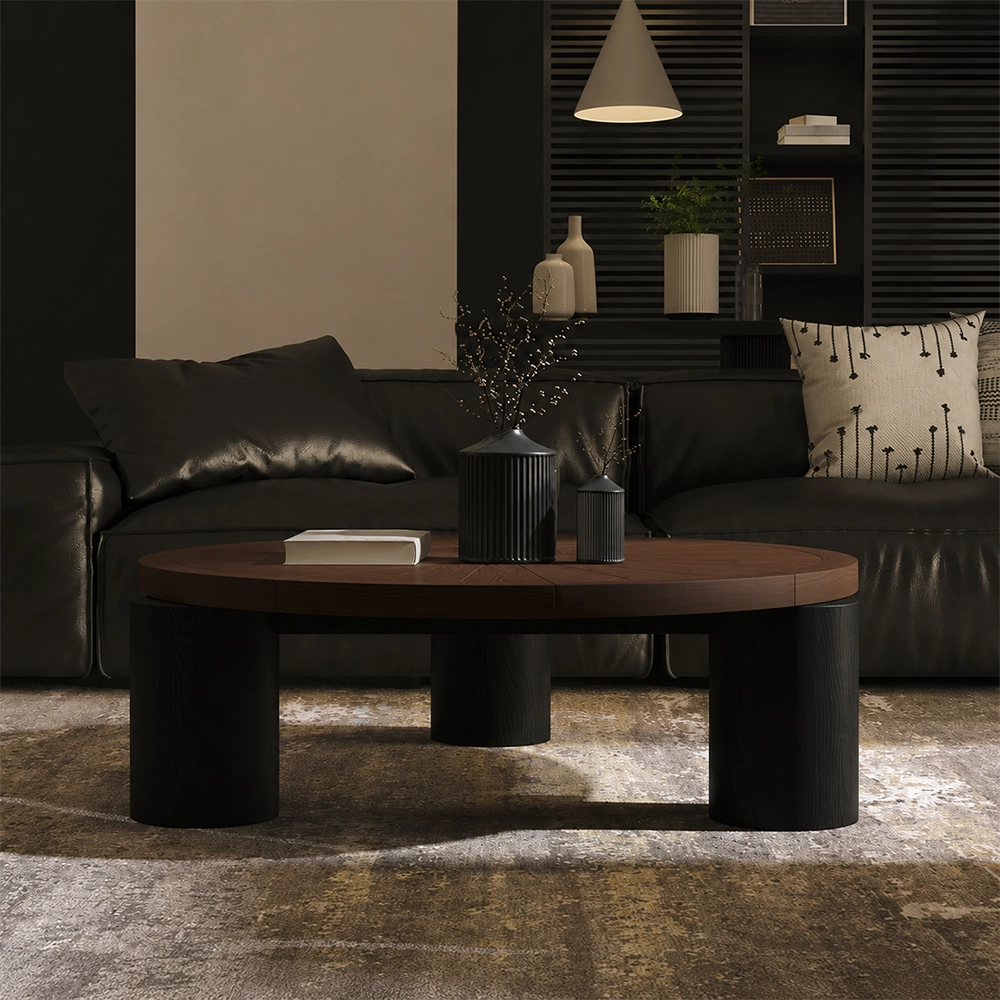
The first option establishes one end of the comparison. Its visual description centers on Brown, Two circular tables, and Two-Tone. The construction record names Engineered Wood, Walnut Veneer, and Solid Wood. Documented functions and features include Ample surface space for drinks, books, and decorative items and Adaptable surface area for daily use. The stated role or placement covers Small Living Rooms, Expansive Living Rooms, and Daily Use. Keep that combination intact when comparing it with the room and the buyer's priorities.
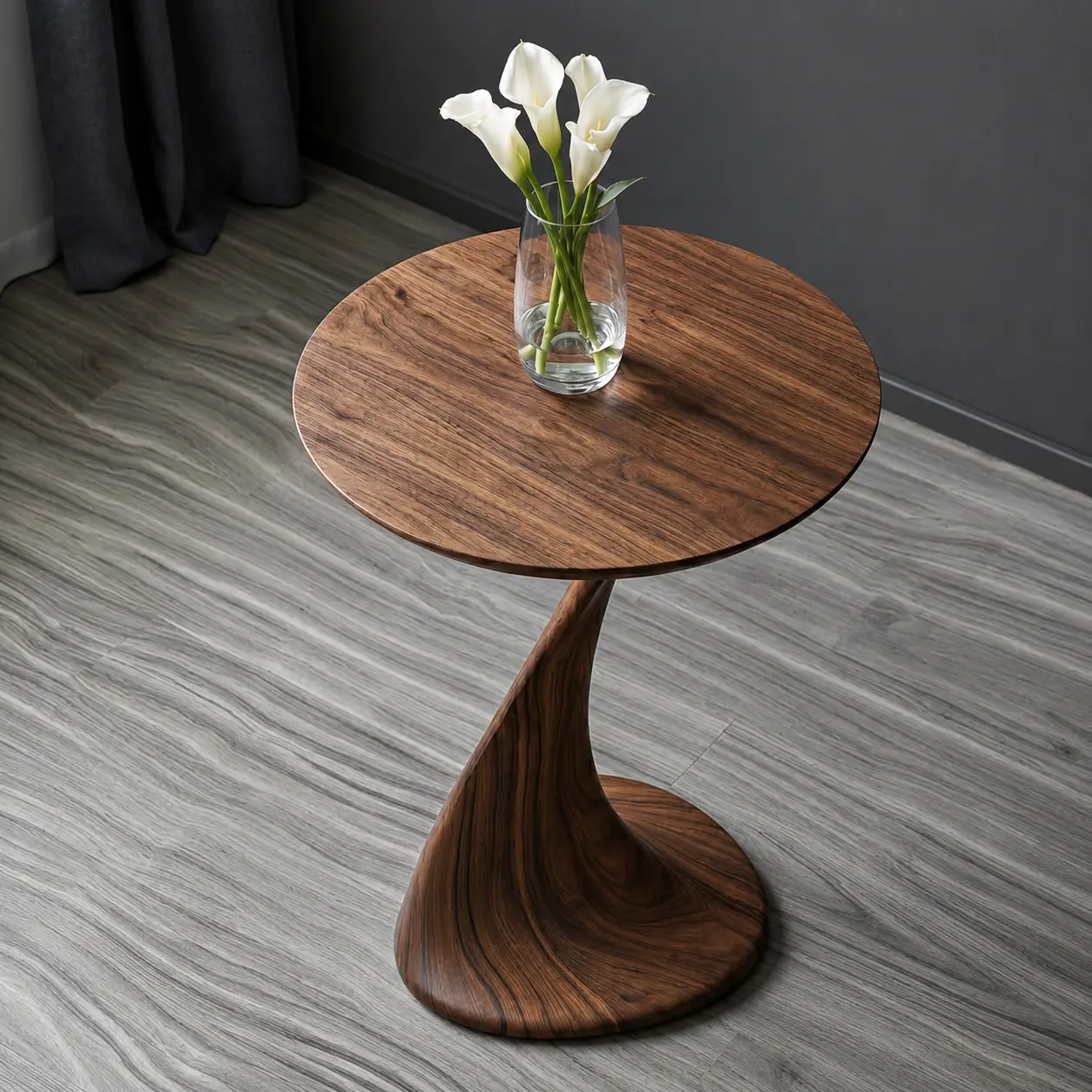
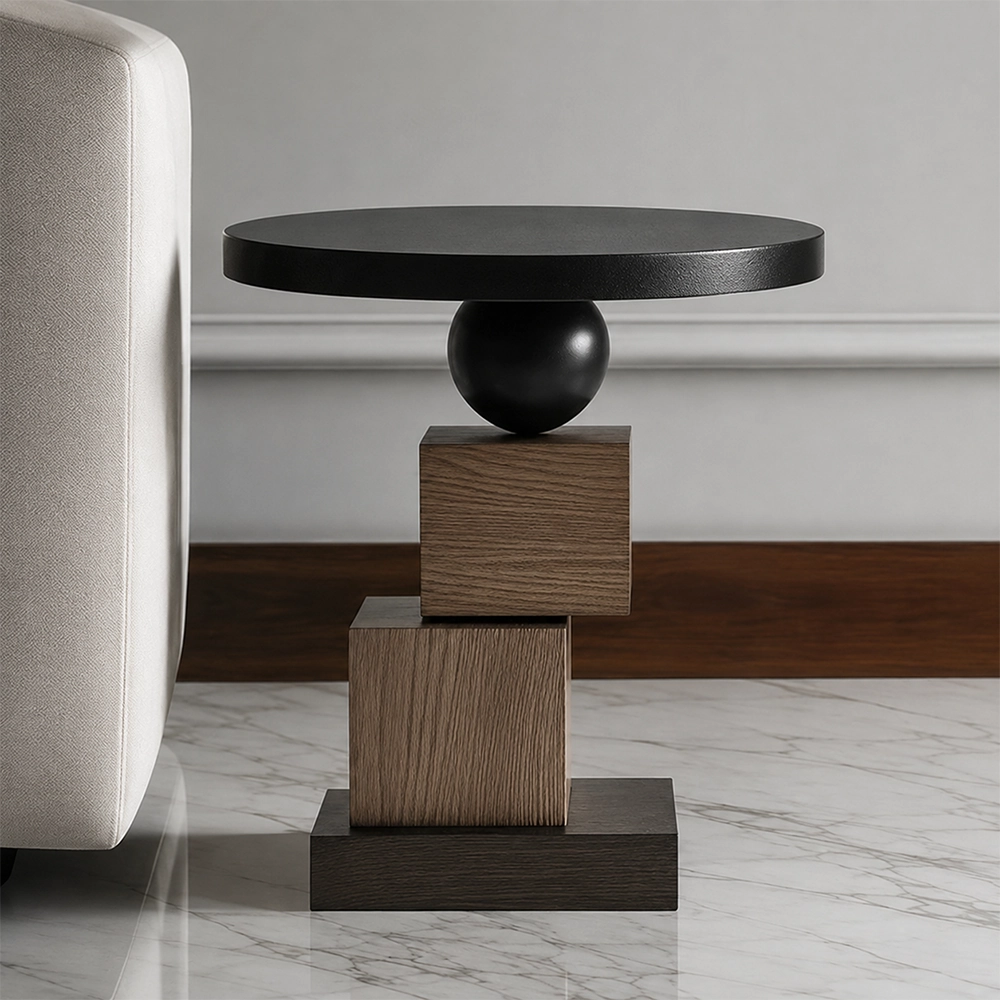
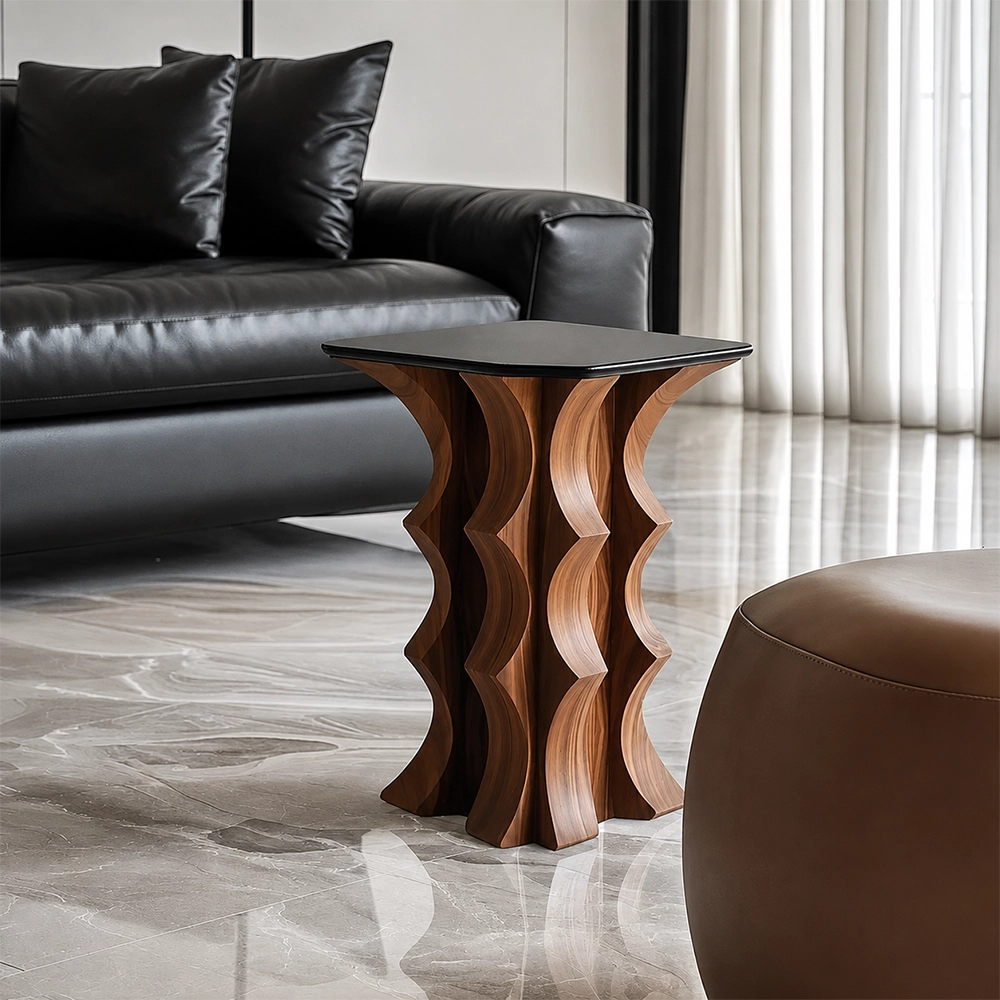
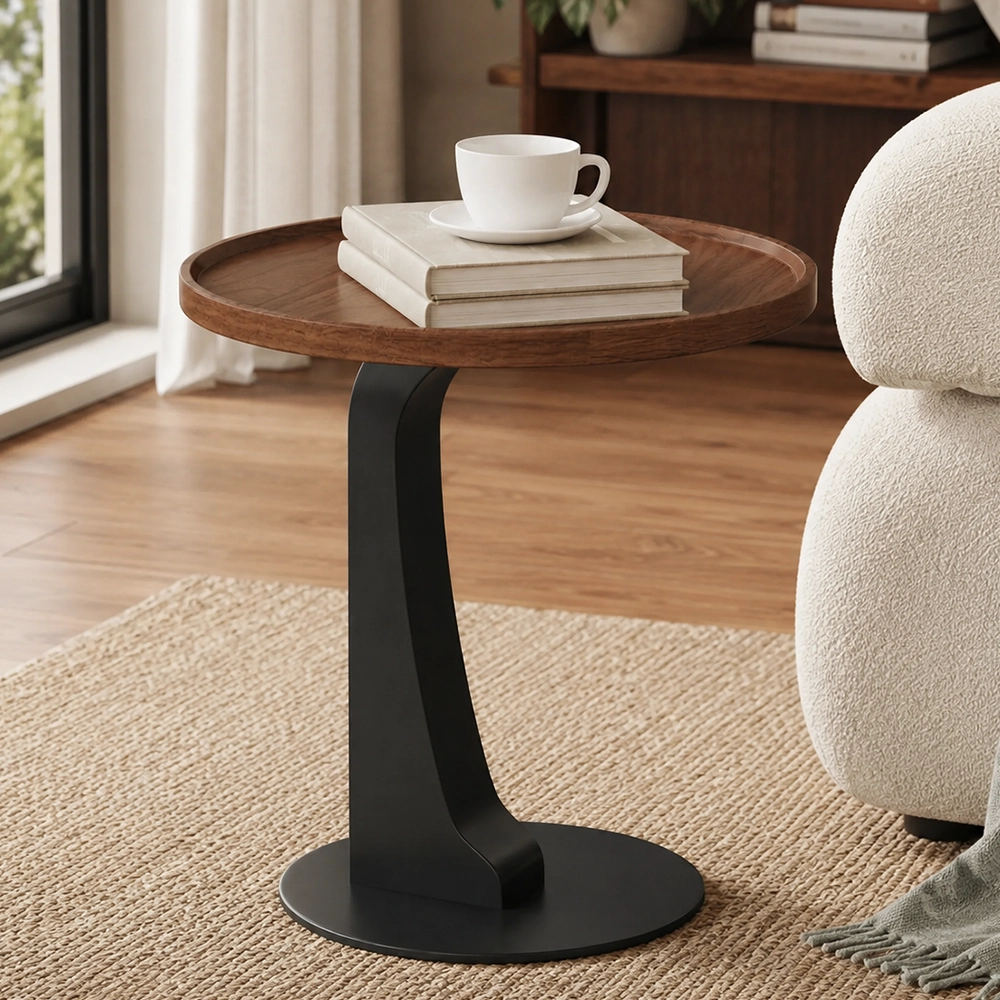
A second product takes a different approach. Materials and finishes are listed as Walnut, Steel, and Metal. The record identifies Fits beautifully within small apartments as a practical function or feature. Intended settings and routines include Living Room, Small Spaces, and Side Table. Style cues in this record include Black & White, Round, and Mid-Century Modern. This profile should be evaluated as a whole rather than blended with specifications from another product.
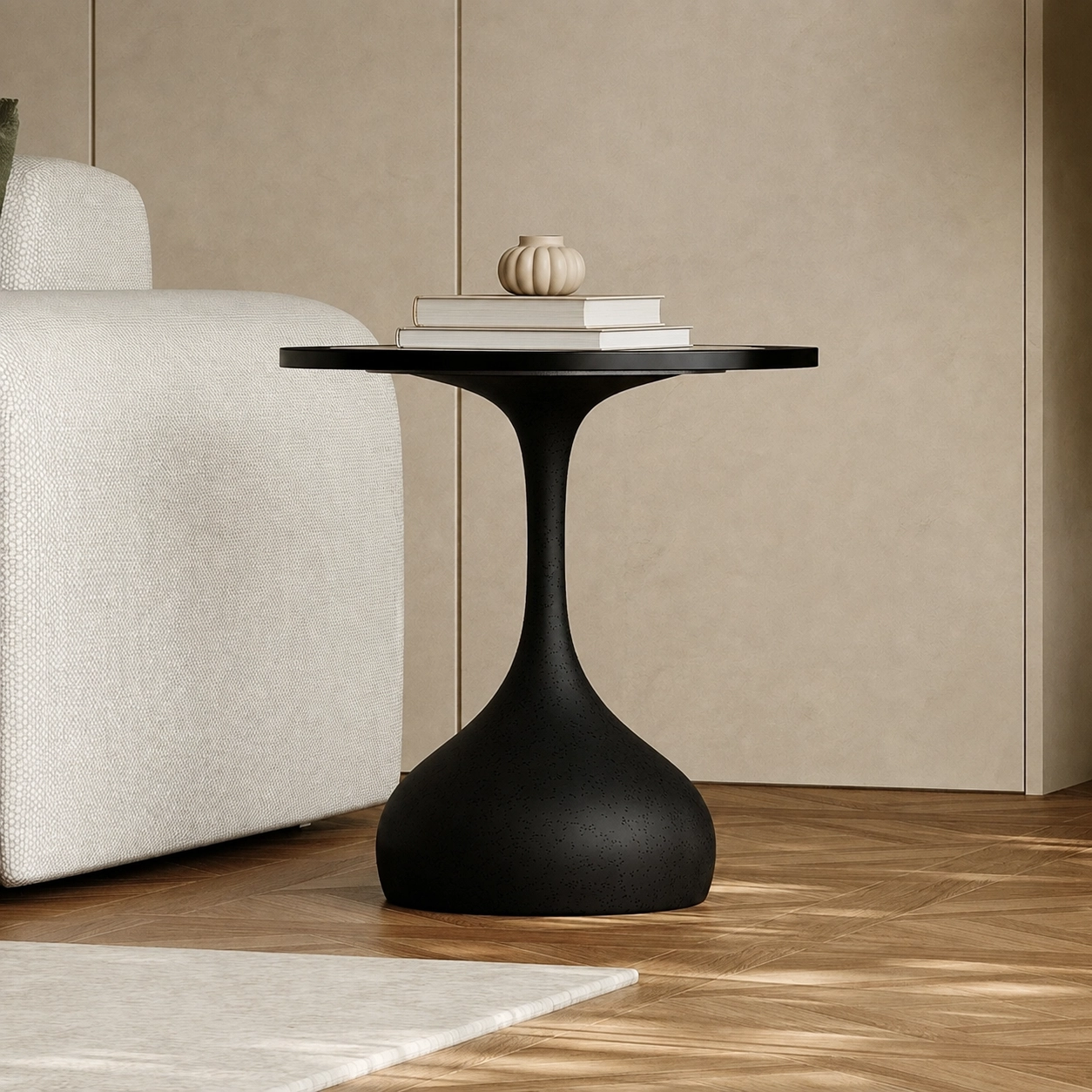
A fourth choice shifts the balance again. Its visual description centers on White, Unique tactile finish, and Organically shaped round. The construction record names Resin. The stated role or placement covers Small Apartment, Accent Piece, and Beside Armchair. The image and destination link provide the final identity check for that exact set of details.
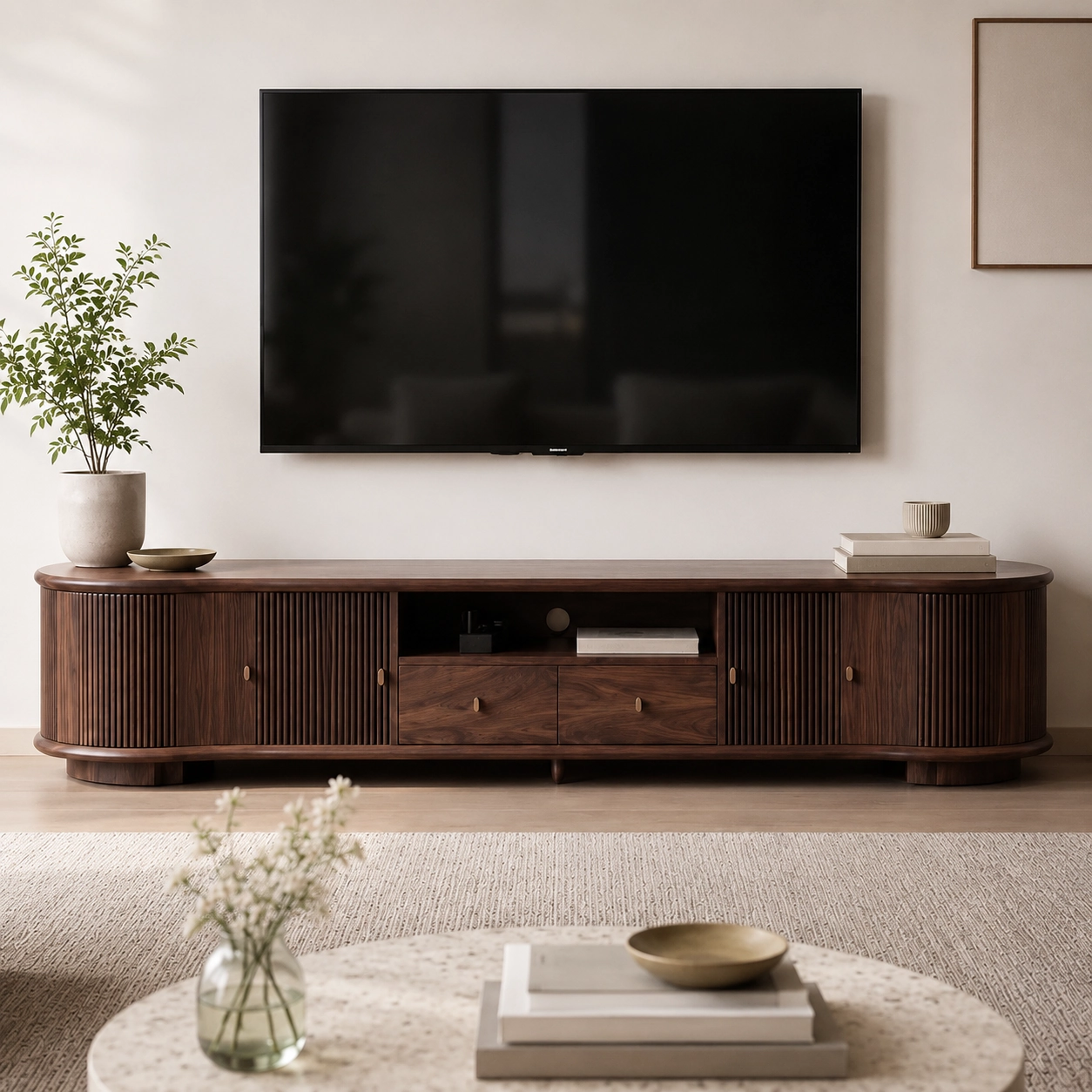
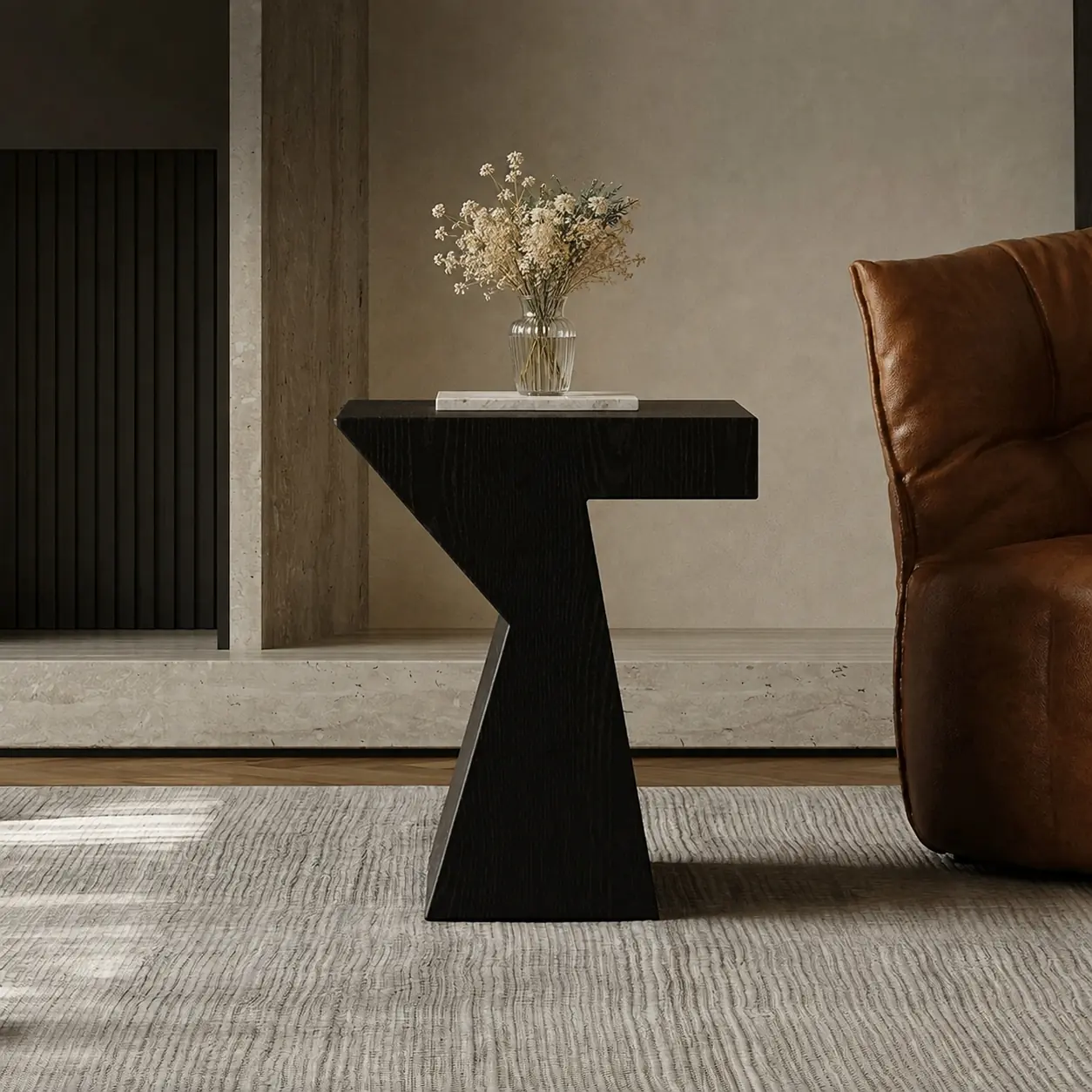
The fifth documented product broadens the range. Materials and finishes are listed as Solid Wood. Intended settings and routines include Living Room and Bedroom. Style cues in this record include Vintage Black and Walnut, Contemporary, and Sculptural. Any specification not present in this record remains unknown for this option.
How to choose
Compare only the documented current prices attached to these exact products. Treat the recorded amount as a source-backed snapshot rather than a permanent promise, and reopen the product page before purchase to confirm the live price, selected variant, and currency.
Start with what must be stored and how often it needs to be reached. Open shelves, drawers, doors, and concealed compartments create different routines, so compare the documented storage formats with the objects that need a home and the amount of visual clutter the room can comfortably carry.
Measure the available footprint and the clearance needed for normal use before settling on a shortlist. Account for moving parts, access points, neighboring furniture, and circulation only as they apply to the specific product. Record any missing measurement as unresolved rather than estimating it from a photograph.
Separate practical functions and features from decorative details, then rank only those present in the source records by the task they support. This keeps the comparison specific to the current products and prevents an attractive but irrelevant detail from outweighing fit, access, or the primary use.
Size and fit
Recorded measurements and size descriptors include Compact. Confirm the unit and the exact product each value belongs to, then check the footprint together with any operating space or nearby circulation required by this type of furniture before treating the fit as resolved.
Materials
Material combinations deserve more attention than a single headline term. In the documented options, Engineered Wood, Walnut Veneer, Solid Wood, Steel, and Metal appear in different roles. Check the product-specific record and imagery together so each structural, upholstered, or decorative element is understood in context.
Style notes
The documented visual range includes Brown, Two circular tables, Two-Tone, Contemporary, Modern Minimalist, Black & White, Round, and Mid-Century Modern. Use those terms to coordinate the piece with existing shapes, finishes, and colors, but keep style separate from function: a preferred look should not override an unsuitable storage layout, footprint, clearance, or placement requirement.
Objects referenced in this guide
A considered selection connected to this guide, with direct links to view each product.
Where it works
The source records assign these products to particular rooms or routines. Translate each label into a real sequence of actions: who approaches the piece, how it is used, whether any part moves or opens, and which neighboring furniture or walkways must remain accessible. That test turns a broad placement label into a room-specific decision.
What to avoid
Do not combine specifications from different products into one imagined option. Materials, finishes, features, and room recommendations belong to specific source records. Keep each combination intact, verify missing measurements, and use the product link and image to confirm which details travel together.
Do not treat a missing specification as a neutral result. If one option documents dimensions, material placement, operating features, or care while another does not, mark the second item as unresolved on that point. A shorter record is not evidence that the requirement does not apply, and visual similarity is not a substitute for confirmation.
A common mistake is to compare color and silhouette while ignoring storage access and operating clearance. Test the product-specific storage and feature information already summarized in this guide against the daily routine before appearance becomes the deciding factor.
Frequently asked questions
Where are these pieces intended to be used?+
The source material mentions Small Living Rooms, Expansive Living Rooms, Daily Use, Small Spaces, Side Table, Beside Sofa, and Beside Armchair. Treat those as documented settings or routines, then confirm dimensions, circulation, and nearby furniture in the actual room.
Which materials appear in the documented options?+
The records include Engineered Wood, Walnut Veneer, Solid Wood, Steel, Metal, and Resin. Check the product-specific source to see where each material is used; the list should not be read as though every option contains every material.
What should be checked before making a final choice?+
Confirm the exact product's material, storage layout, intended placement, image, and link, then measure the available footprint and operating clearance. Any important fact missing from the source should remain unresolved rather than inferred from a similar-looking item.
Which functions or features create meaningful differences?+
Documented functions and features include Ample surface space for drinks, books, and decorative items, Adaptable surface area for daily use, and Fits beautifully within small apartments. Their relevance depends on the routine supported, so rank them by practical use rather than novelty.
What storage formats are represented?+
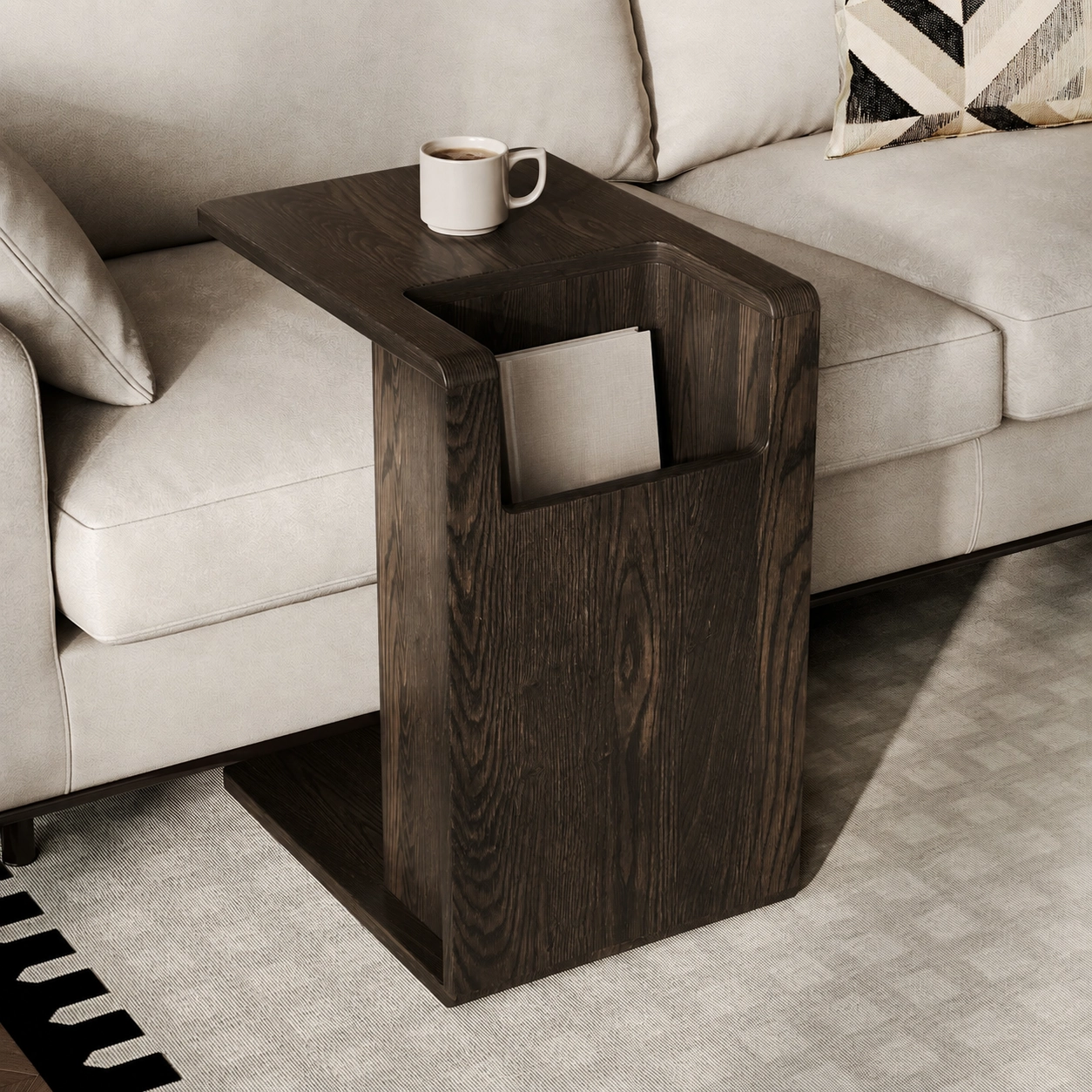
Documented storage formats include Integrated storage shelf. Compare access, visibility, and clearance for each format against what will actually be stored.
Final checklist
A sound final choice should connect the room measurements and daily routine to one product's documented material, storage, features, image, and destination link. Keep those facts attached to their original record, and leave any unsupported claim unresolved instead of borrowing it from a similar option. Before acting, reopen the exact source page to confirm that the saved product and every decision-critical detail are still current for the intended room. Use the checklist as a final verification pass: confirm identity, variant, live price, dimensions, access clearance, finish, and placement one by one, and postpone the decision whenever a requirement remains undocumented or conflicts with the measured space.
Sources and verification notes
This page is assembled from saved product records and verified knowledge sources. Missing information is not filled with assumptions.